Scientists Find the 'Brake' Preventing Nerves From Healing, Suggesting a Way to Floor It
Scientists discover a protein that acts as a 'brake' on nerve regeneration, and blocking it might help damaged nerves heal - because of course it's a brake.
Researchers at the Icahn School of Medicine at Mount Sinai have discovered a molecular mechanism that seems to be the universe's way of saying 'no' to nerve regeneration. The study, published in the journal Nature, points a finger at a protein called the aryl hydrocarbon receptor (AHR), which acts like a traffic cop for injured neurons, telling them to focus on stress management rather than rebuilding their damaged axons.
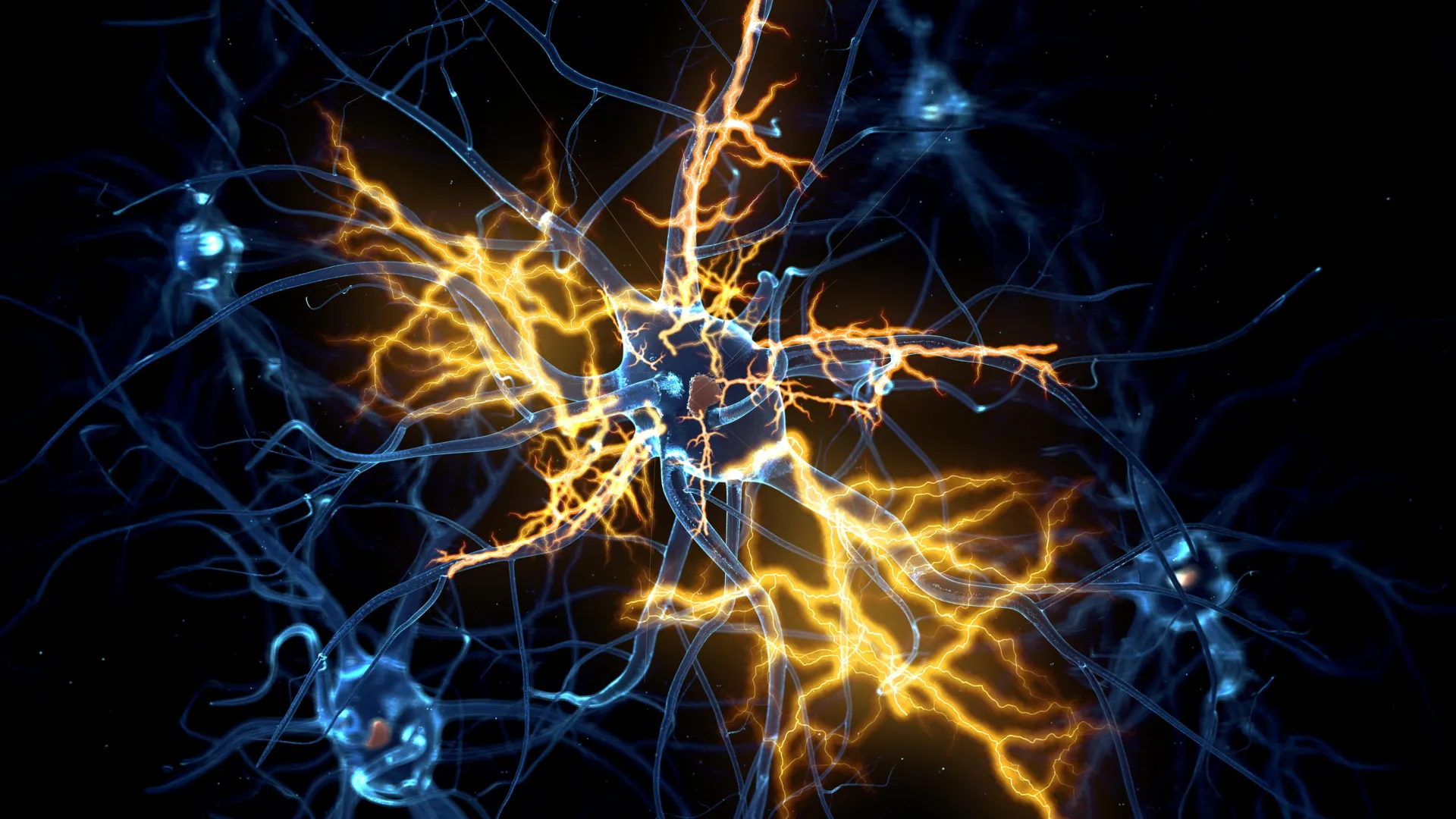
Axons are the long, cable-like extensions of neurons that carry signals throughout the nervous system. When they get severed or damaged, recovery hinges on whether the neuron can regrow these connections. In adult mammals, that ability is about as robust as a wet paper bag, leading to lasting movement and sensation problems after nerve or spinal cord injuries. The big question has always been: why are neurons so bad at this?
Enter AHR. According to the study's senior author, Dr. Hongyan Zou, MD, PhD, 'When neurons are injured, they must deal with stress while also trying to regrow their axons. We discovered that AHR functions like a brake that shifts neurons toward managing stress rather than rebuilding damaged connections.' Essentially, AHR tells the neuron, 'Let's not do anything rash; let's just survive this mess.'
The researchers found that when they removed AHR or blocked it with drugs, damaged axons regenerated more successfully. In mouse models of peripheral nerve damage and spinal cord injury, suppressing AHR led to better recovery of movement and sensation. The mechanism: after injury, AHR supports a protective response called proteostasis, which helps neurons maintain protein quality control. This keeps them alive under stress but also puts the kibosh on producing the new proteins needed for axon regrowth. Without AHR, neurons shift priorities, ramping up protein production and turning on growth pathways, with a little help from a factor called HIF-1α.
AHR was originally known for detecting environmental toxins, but it turns out it's also a multitasker, linking environmental cues to cellular decisions about regeneration. The discovery could have therapeutic potential because several AHR-inhibiting drugs are already in clinical trials for other conditions. That raises the tantalizing possibility of repurposing them for nerve injuries, though the researchers caution that it's early days. Future studies will need to figure out dosing, timing, and how these drugs affect other cells involved in the injury response.
The Mount Sinai team is also exploring gene-therapy approaches to reduce AHR activity specifically in neurons. They hope these strategies might boost axon regeneration and improve recovery after spinal cord injury, stroke, or other neurological conditions. Because who wouldn't want to turn off the brake and let nerves do their thing?
The Good Times
News in your inbox.
One sardonic roundup, delivered on your schedule. Free. Unsubscribe whenever your tolerance for wit runs out.
Already subscribed but we never reach your inbox? Check your spam folder and hit 'Not spam' (or 'Remove from spam') to bust us out of junk-mail purgatory. You'll be helping everyone else too.
Don't open any of our emails for a month and you'll be automatically removed from the mailing list.
Rewrite Article
Select parts to regenerate with a fresh AI pass. Translations will be updated automatically.
Generate AI Image
Creates a sardonic version of the article image using OpenAI.