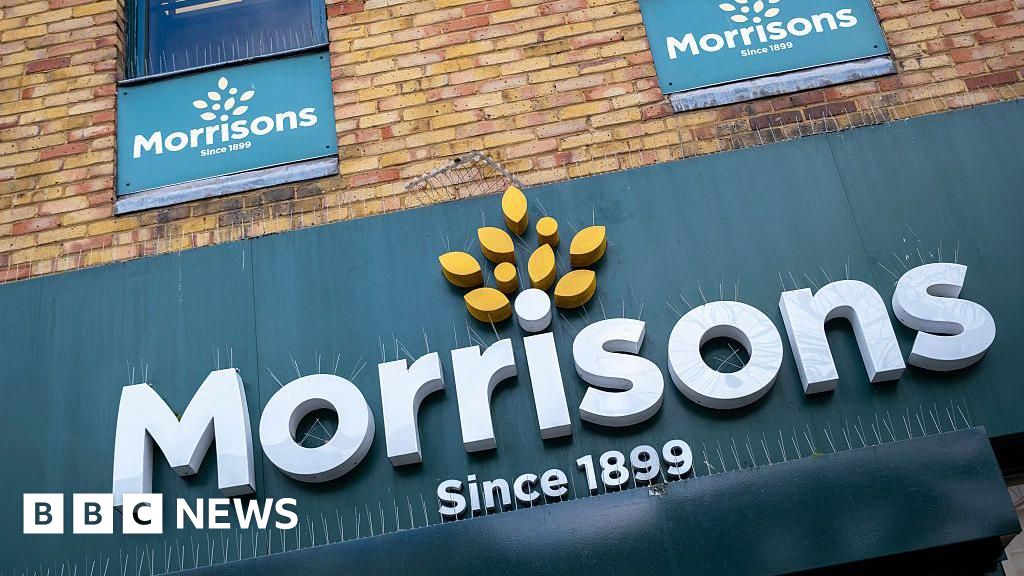
Morrisons is planning to close 100 stores over the coming months, blaming government policy choices for rising costs. The supermarket chain said the affected convenience stores - acquired through its McColls purchase in 2022 - had been loss-making for some time, but recent years made things worse thanks to “significant cost increases resulting from government policy choices,” including hikes to the national living wage and National Insurance.
The planned closures follow last year’s shuttering of 52 cafes and 17 convenience stores, which put hundreds of jobs at risk, and last month’s revelation that about 200 jobs were in jeopardy at its Bradford headquarters. Morrisons hasn’t confirmed how many staff are at risk from this new round, but it’s understood hundreds will be affected. A spokesperson said the company would try to find other opportunities for those impacted, which is corporate-speak for “we’ll see what we can do.”
The chain has around 1,700 Morrisons Daily convenience stores and opened more than 120 franchise stores last year. It didn’t specify which stores are on the chopping block, but said they’re ones “whose performance has been challenged for a number of years and which are loss making, despite remedial action.” The affected stores are across the UK, so no region gets to feel left out.
A government spokesperson called it a “commercial decision” and offered support for affected workers, along with free advice from Acas. Many retailers have argued they’ve been hit with extra costs since April last year, including higher employer National Insurance contributions, increased minimum wages, and new charges for recycling packaging under the Extended Producer Responsibility programme. Meanwhile, inflation remains above the Bank of England’s 2% target, with food price rises at 3% in April versus the overall rate of 2.8%. There have even been warnings that UK food inflation could hit 10% by year’s end due to the US-Israel war with Iran.
This week, multiple supermarket sources said the government urged them to voluntarily freeze key grocery prices in exchange for regulatory easing. Former Sainsbury’s boss Justin King called the suggestion “hypocritical,” noting the Treasury’s own policies are contributing to inflation. So, in summary: Morrisons is closing stores, the government is pointing fingers, and everyone is blaming everyone else. Business as usual.
The Good Times
News in your inbox.
One sardonic roundup, delivered on your schedule. Free. Unsubscribe whenever your tolerance for wit runs out.
Already subscribed but we never reach your inbox? Check your spam folder and hit 'Not spam' (or 'Remove from spam') to bust us out of junk-mail purgatory. You'll be helping everyone else too.
Don't open any of our emails for a month and you'll be automatically removed from the mailing list.
Rewrite Article
Select parts to regenerate with a fresh AI pass. Translations will be updated automatically.
Generate AI Image
Creates a sardonic version of the article image using OpenAI.