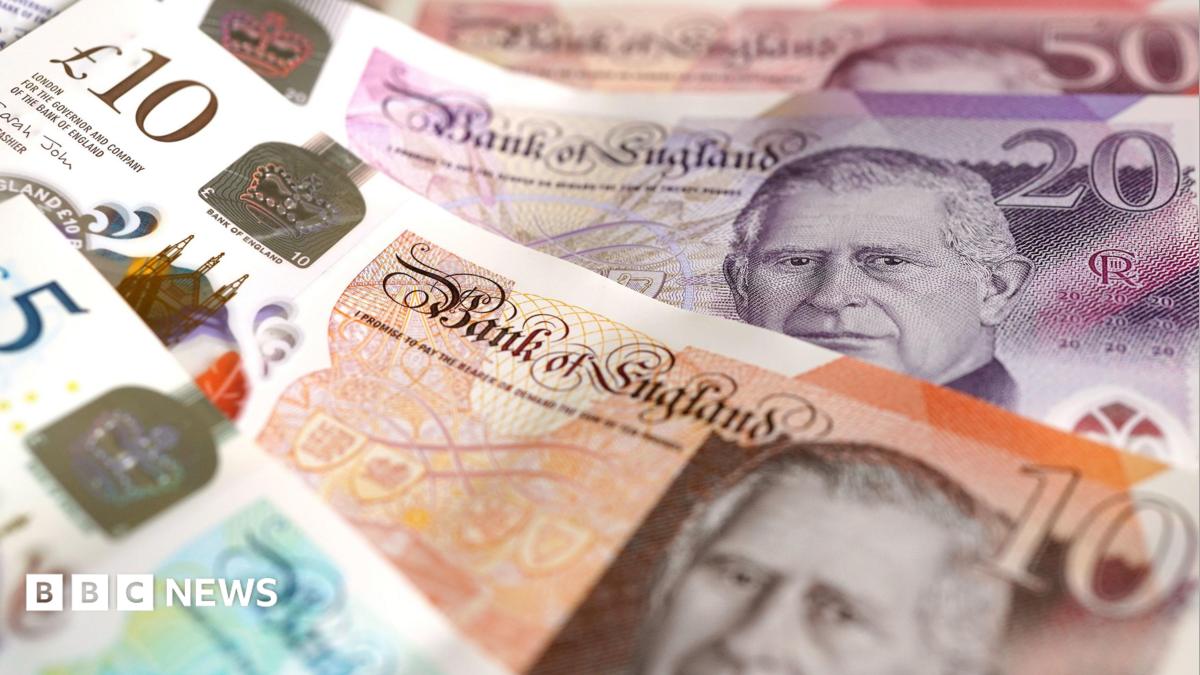
Labour MPs are pushing for a cap on UK-based political donations, hoping that Andy Burnham will give it a thumbs-up when he inevitably becomes prime minister. Alex Sobel has tabled an amendment to the Representation of the People Bill, currently lumbering through Parliament, that would limit individual donations to £1m. Currently, there's no ceiling on what UK-based donors can shovel into party coffers - because why let a little thing like ethics get in the way of a good bung?
Labour MPs reckon dozens of their colleagues will back the cap, including Burnham, who's widely tipped to replace Sir Keir Starmer later this month. Starmer, however, has not exactly embraced the idea, and the bill is due to finish its Commons stages before Burnham is expected to take over on 20 July. The Starmer government could yank the bill and wait for the new boss, or Burnham could try to introduce a cap once the bill reaches the House of Lords.
Burnham has said in an email seen by the BBC that 'there should be a cap on political donations.' In a May email exchange with Shaun Bowler of WakeUpGB, Burnham opined that a cap 'would guard against the perception of any one party being unduly influenced or swayed by one person or organisation.' As for the magic number, he suggested 'somewhere in the region of £500k' - subject to wider review, naturally.
UK political parties accepted £20.7m in donations during the first three months of 2026, according to the Electoral Commission. Reform UK guzzled the most: £9.2m, much of it from two wealthy backers, Christopher Harborne and Ben Delo. Last year, Harborne dropped £9m on Reform UK - the biggest single donation to a UK political party by a living person. The Electoral Reform Society notes that the lack of a cap 'means that a handful of very wealthy individuals can continue to assert undue influence over our politics.' You don't say.
Sobel's £1m cap would apply only to individual donors, leaving collective organisations like trade unions - Labour's traditional sugar daddies - untouched. Another amendment from the Liberal Democrats, signed by a few Labour MPs including Dr Simon Opher, suggests a cap of £50,000, plus 'some sort of public funding for political parties.' Opher declared: 'There's no way that politicians or parties ought to be able to take bungs of hundreds of thousands of pounds... It's the 21st century and we are better than that.'
Transparency International wants the government to go further. 'The Representation of the People Bill takes some welcome steps, but it stops short of the one reform that matters most: a cap on how much any single donor can give,' said Duncan Hames, senior director of policy and programmes. 'Without it, the wealthiest will still be able to buy influence over our democracy in a way ordinary voters never could.'
The government has already used the bill to propose a £100,000 annual cap on donations from British citizens living overseas, and plans to ban cryptocurrency donations to political parties, as part of a response to a review of foreign financial interference. Reform UK has criticised these restrictions, accusing Labour of 'choking off legal funding for its main rival.' Harborne, a Thailand-based businessman, claimed he was 'the reason' the government announced the £100,000 cap, and said he might challenge it in court or return to the UK to get around it.
During the 2024 general election, Labour received more donations than all other parties combined: £9.5m total, with over £8m coming from just 10 sources. Those included two trade unions, former Autoglass boss Gary Lubner, hedge fund managers Martin Taylor and Stuart Roden, sculptor Antony Gormley, production company Toledo Productions, tech investor Danny Luhde-Thompson, and former poker pro Derek Webb of the Campaign for Fairer Gambling. So, naturally, the party now wants to close the barn door - after the horse has not only bolted but bought a luxury condo.
The Good Times
News in your inbox.
One sardonic roundup, delivered on your schedule. Free. Unsubscribe whenever your tolerance for wit runs out.
Already subscribed but we never reach your inbox? Check your spam folder and hit 'Not spam' (or 'Remove from spam') to bust us out of junk-mail purgatory. You'll be helping everyone else too.
Don't open any of our emails for a month and you'll be automatically removed from the mailing list.
Rewrite Article
Select parts to regenerate with a fresh AI pass. Translations will be updated automatically.
Generate AI Image
Creates a sardonic version of the article image using OpenAI.