Fitness Tracker Gives Woman the Lowdown on Her Pregnancy Before She Even Knew
Fitness trackers are spilling the beans on pregnancies before tests can, leaving women anxiously refreshing apps at 4 a.m. and occasionally taking the ring off for sanity's sake.
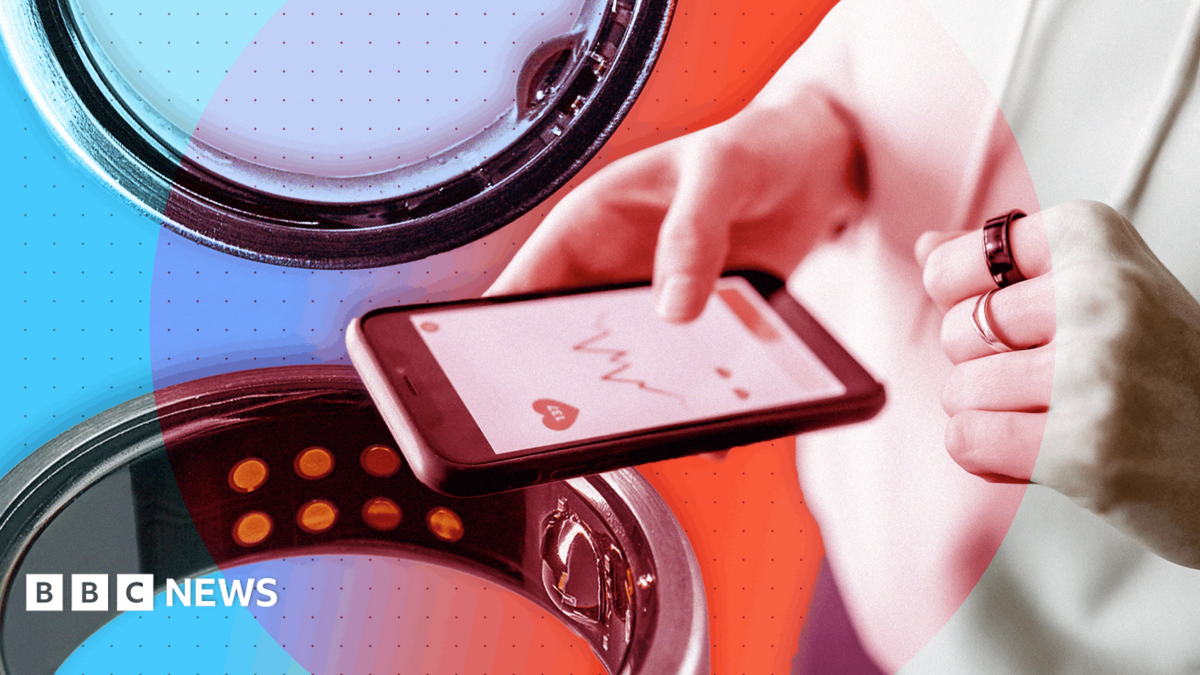
Ravika was celebrating her birthday on holiday with her husband when her Oura ring decided to rain on the parade with an unusual alert: her health score was poor. Her heart rate had gone up, her body temperature was elevated, and her heart rate variability (HRV) had dropped. Yet she felt completely fine - because, as it turns out, she was pregnant, not dying.
The 34-year-old solicitor from the West Midlands did what any of us would do when faced with confusing biometric data: she Googled. She found a community of women whose fitness trackers had also played fortune-teller, flagging pregnancies based on temperature and heart rate changes. A week later, Ravika had a positive pregnancy test - but the drama didn't end there.
Cramping and a notification that her body was under “significant strain” led her to the doctor, who scheduled further testing ten days later. The wait was agonising, prompting Ravika to wake at 4 a.m. nightly to refresh her app, hoping her stats would stay low and her temperature elevated. “For me it really did feel like a life or death situation,” she said. Spoiler: it wasn't a viable pregnancy.
Ravika is one of hundreds of women reporting that fitness trackers - smart rings, watches, chest-mounted devices - are detecting pregnancy before traditional tests can. According to YouGov, 36% of British adults owned a tracker in January 2026, nearly double the rate in July 2019. Oura leads the smart ring market, but rivals like Ultrahuman and RingConn are also in the game.
The key sign? Body temperature. In a normal cycle, temperature stays high until just before a period, then drops. In early pregnancy, it stays high. Trackers that measure temperature can spot this early symptom - though whether you want that information is another question.
Sofia, 32, lost two pregnancies, both foreshadowed by her Oura ring's data. “When I would wake up to see the temperature line progressing, and then I saw in the app one morning that my temperature had dropped - and that's how I knew, something's weird,” she said. The second time, she was already mentally prepared. When she got pregnant a third time - now with a five-month-old son - she was so anxious she took the ring off for the entire first trimester.
Dr Stuart Lavery, consultant of reproductive medicine at University College Hospital London, cautioned: “We might be running before we can walk. We probably need a lot more data on the reliability... otherwise what happens is your levels of anxiety will just skyrocket.” Oura's clinical director of women's health, Dr Chris Curry, acknowledged the anxiety but said the ring is “a support tool, not a replacement for your care team.”
As for Ravika, she miscarried and is now rethinking her wearable habit. “I didn't really see myself as being an anxious person, but... as soon as that positive pregnancy test was there, I do think it would be the best thing for me to take the ring off.” Wise words: sometimes ignorance is not just bliss - it's a good night's sleep.
The Good Times
News in your inbox.
One sardonic roundup, delivered on your schedule. Free. Unsubscribe whenever your tolerance for wit runs out.
Already subscribed but we never reach your inbox? Check your spam folder and hit 'Not spam' (or 'Remove from spam') to bust us out of junk-mail purgatory. You'll be helping everyone else too.
Don't open any of our emails for a month and you'll be automatically removed from the mailing list.
Rewrite Article
Select parts to regenerate with a fresh AI pass. Translations will be updated automatically.
Generate AI Image
Creates a sardonic version of the article image using OpenAI.