A passenger from a cruise ship that's been serving as an unintended hantavirus showcase has started showing symptoms while being flown back to France, the country's prime minister announced, because apparently even air travel can't escape this plot twist.
Sebastian Lecornu confirmed that the French national developed symptoms during a chartered flight from Tenerife to Paris, prompting all five evacuees from the MV Hondius to be "immediately placed in strict isolation until further notice." Nothing like a mid-flight medical surprise to keep things interesting.
The five French citizens are among over 90 tourists being ferried home from the Dutch vessel, which dropped anchor off the Canary Islands before dawn on Sunday. Three passengers have died after traveling on the ship, with two confirmed to have had the virus - a mortality rate that's decidedly not part of the cruise brochure.
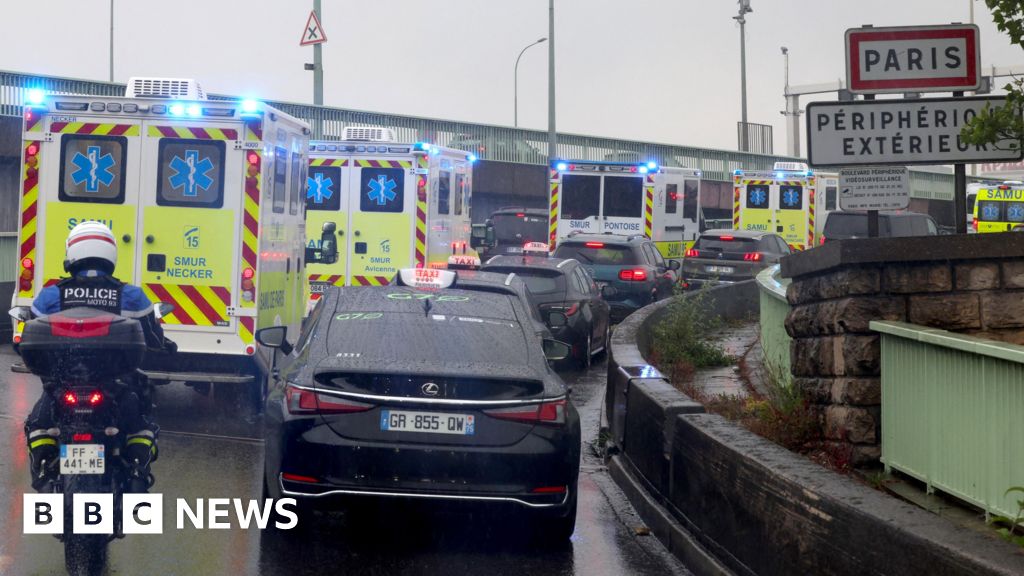
Upon landing at Le Bourget Airport, officials in personal protective equipment met the group on the tarmac, looking like characters from a pandemic-themed thriller. Ambulances whisked them to Bichat Hospital in Paris, where they'll be quarantined for 72 hours and assessed before being sent home to self-isolate for 45 days, according to France's Ministry for Europe and Foreign Affairs.
Fourteen Spanish nationals flown from Tenerife to Madrid now face mandatory quarantine at a military hospital, while British nationals have been repatriated to Manchester. None of the Britons have reported symptoms but are being monitored by the UK Health Security Agency, because nobody wants a sequel.
A plane carrying 26 passengers and crew - including eight Dutch nationals - has arrived in the Netherlands, and flights for Turkish, Irish, and US citizens are also scheduled. Spain's Health Secretary Javier Padilla noted that over 90 of the 150 passengers and crew will have been sent home by Sunday's end, with an Australian flight expected Monday.
The cruise ship anchored in Granadilla port earlier Sunday, and medical teams boarded around 7:00 AM local time, kicking off a carefully choreographed evacuation plan devised by the Spanish government and the World Health Organization. Passengers could be seen wandering the deck in white medical masks, while some sat socially distanced on the first evacuation boat, filming and taking photos as they approached land. British passengers clad in blue PPE waved and gave thumbs up while being couriered to the airport, because nothing says "we're fine" like a hazmat suit and a cheerful gesture.
The arrival of the Hondius wasn't universally welcomed - the Canary Islands' regional president expressed concerns about the virus spreading to Tenerife, which seems reasonable given the circumstances.
Hantaviruses are typically carried by rodents, but the Andes strain - which the WHO believes was contracted by some passengers in South America - can spread between humans. Symptoms include fever, extreme fatigue, muscle aches, stomach pain, vomiting, diarrhea, and shortness of breath - essentially the worst vacation souvenir imaginable.
The first passenger death occurred on April 11, followed by another on May 2. A 69-year-old Dutch woman who left the ship in St. Helena on April 24 traveled to South Africa, where she died two days later. Two British men with confirmed cases are receiving treatment in the Netherlands and South Africa, while a third Briton with a suspected case is being treated on Tristan da Cunha, where British Army medics parachuted in with supplies.
British nationals arriving back in the UK will be kept in isolation for up to 72 hours, after which medics will decide if they can isolate at home or elsewhere. Once everyone has disembarked, the Hondius will continue to the Netherlands, where the body of a deceased passenger and their belongings will be disinfected before removal - a final, grim cleaning task for a ship that's seen better days.
The Good Times
News in your inbox.
One sardonic roundup, delivered on your schedule. Free. Unsubscribe whenever your tolerance for wit runs out.
Already subscribed but we never reach your inbox? Check your spam folder and hit 'Not spam' (or 'Remove from spam') to bust us out of junk-mail purgatory. You'll be helping everyone else too.
Don't open any of our emails for a month and you'll be automatically removed from the mailing list.
Rewrite Article
Select parts to regenerate with a fresh AI pass. Translations will be updated automatically.
Generate AI Image
Creates a sardonic version of the article image using OpenAI.