Trump Slaps 15% Tariff on Chip Material, Because Nothing Says 'Competitive' Like Import Taxes
Trump slaps 15% tariff on polysilicon to counter China's chip dominance, because nothing says 'national security' like a tax on semiconductor sand. China promises retaliation, US producers rejoice, and the trade war rages on.
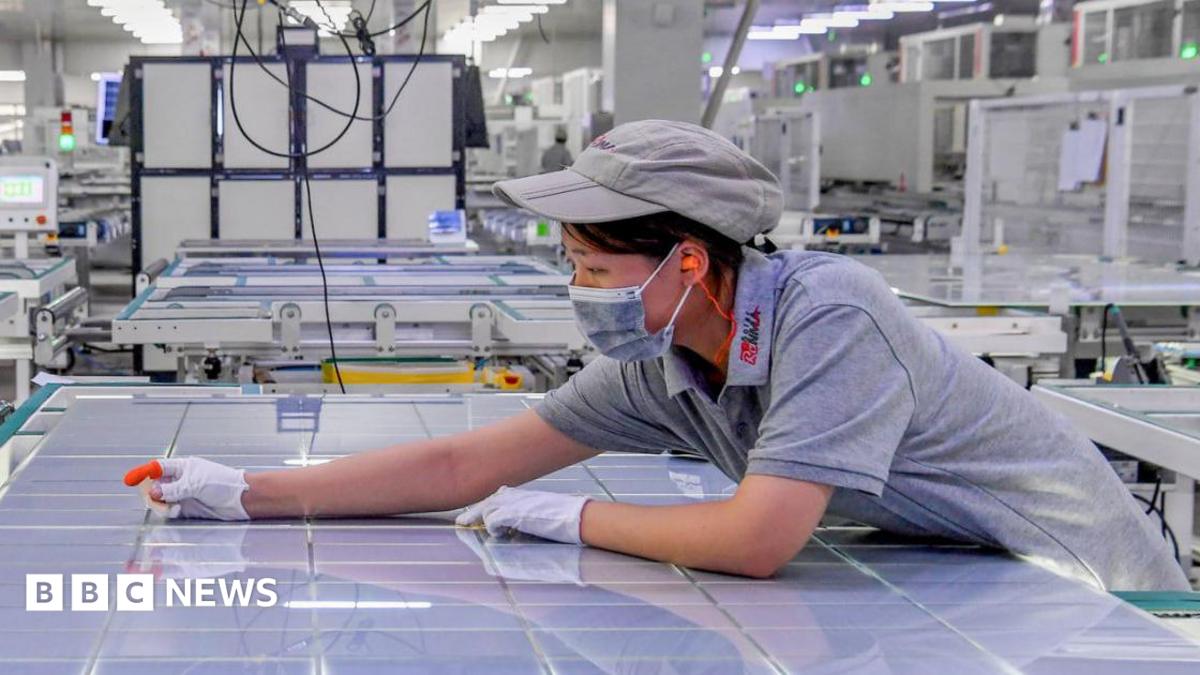
In a move that will surely make America's polysilicon sector great again, President Donald Trump signed an executive order on Thursday imposing a 15% tariff on imported products made from polysilicon - the crucial material that keeps both semiconductors and solar panels in business. Because nothing says 'protecting national security' like a tax on sand-derived goo.
The order, which also sets minimum import prices on polysilicon and related products, follows a national security investigation into the material's overseas production. The goal? Shield US manufacturers from the relentless march of China's chip industry, which has been a major source of friction between the world's two largest economies - because apparently, there wasn't enough friction already.
China's embassy in Washington was not amused, calling the move a 'serious disruption' to trade and vowing to protect its companies. 'Washington is abusing state power to go after Chinese businesses,' the embassy said, adding that protectionism won't make the US more competitive. Which is a bit rich, coming from a country that knows a thing or two about state intervention, but we digress.
Trump, citing recommendations from Commerce Secretary Howard Lutnick, set the 15% tariff and minimum import prices, with measures taking effect in December. The US will also offer incentives to boost domestic production, because nothing says 'free market' like government handouts for local manufacturers.
'The US has allowed foreign firms to weaken United States producers in the polysilicon sector,' Trump declared, conveniently ignoring that US share of global polysilicon production has plummeted from 50% in 2005 to less than 2% in 2024 - a decline that might have something to do with market dynamics, but sure, tariffs are the answer.
China holds a near monopoly on polysilicon production, which is probably why this move is expected to benefit Hemlock Semiconductor and Wacker Chemie, the main US producers. Lucky them.
And what's the bigger picture? Computer chips are the new oil in the US-China AI race, and Washington and Beijing have been locked in a tit-for-tat tariff war that's been on hold since May 2025. But this new escalation, as analysts told Chinese state media, marks yet another step in Washington's efforts to limit China's role in critical tech supply chains. Because nothing says 'critical technology' like drones, humanoid robots, and now, polysilicon.
China has already responded with tighter export controls on drones and a national security review into imported printers and copiers. Because what's a trade war without a little printer-related drama?
So there you have it: a tariff that will definitely make America's polysilicon industry great again, or at least give it a fighting chance against the Chinese juggernaut. Either way, it's a bold move that's sure to shake up the global supply chain - and provide us with endless material for witty headlines.
The Good Times
News in your inbox.
One sardonic roundup, delivered on your schedule. Free. Unsubscribe whenever your tolerance for wit runs out.
Already subscribed but we never reach your inbox? Check your spam folder and hit 'Not spam' (or 'Remove from spam') to bust us out of junk-mail purgatory. You'll be helping everyone else too.
Don't open any of our emails for a month and you'll be automatically removed from the mailing list.
Rewrite Article
Select parts to regenerate with a fresh AI pass. Translations will be updated automatically.
Generate AI Image
Creates a sardonic version of the article image using OpenAI.