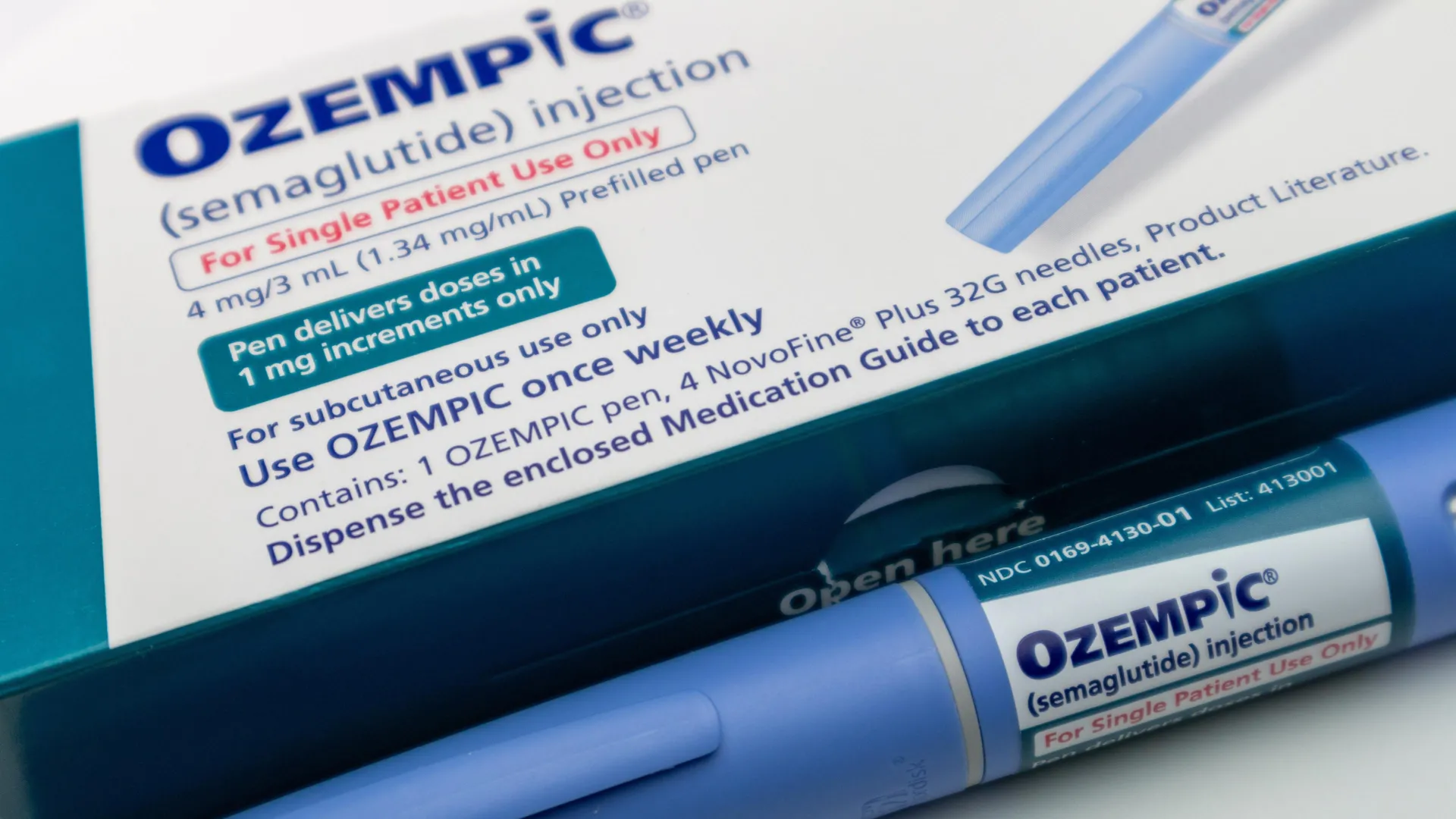
The explosive popularity of semaglutide (sold as Ozempic and Wegovy) after its FDA approval for chronic weight management in 2021 has been accompanied by an unexpected side effect: a dramatic spike in calls to poison control centers across the United States.
Jordan Miller, then an undergraduate at UT San Antonio, set out to determine whether the surge in poison control cases was directly linked to the FDA's expanded approval or just bad timing. Working with her mentor David Han and researchers from the Long School of Medicine, Miller analyzed national poison control data and found that before 2021, poison centers typically handled between 1,000 and 1,500 GLP-1RA related cases per year. After mid-2021, that number nearly doubled, and by 2023, centers had recorded more than 8,000 calls.
"One of them was this quite odd category of semaglutide," said Han. "We suspected that the call volume was skyrocketing because of the misuse and mishandling of this drug." The research, which earned first place at UT San Antonio's Los Datos conference, showed that semaglutide was "so incredibly dominant" in the data, according to Miller.
Most incidents involved accidental dosing or therapeutic mistakes rather than intentional misuse, but the sheer scale was alarming. Common errors included taking the medication daily instead of the prescribed weekly dose, or starting at the highest dose instead of gradually increasing. "Can you imagine something you're supposed to trickle up to, and you're going full blast and seven times more often than you're supposed to?" Miller said.
The research, published in the Journal of Medical Toxicology and featured as the cover story in Significance magazine, highlights the need for better patient education. As Han noted, "How this drug behaves in our body and its long-term safety are not yet fully understood." The study serves as a reminder that even miracle drugs require careful handling - and that poison control centers are the unsung heroes of the weight-loss boom.
The Good Times
News in your inbox.
One sardonic roundup, delivered on your schedule. Free. Unsubscribe whenever your tolerance for wit runs out.
Already subscribed but we never reach your inbox? Check your spam folder and hit 'Not spam' (or 'Remove from spam') to bust us out of junk-mail purgatory. You'll be helping everyone else too.
Don't open any of our emails for a month and you'll be automatically removed from the mailing list.
Rewrite Article
Select parts to regenerate with a fresh AI pass. Translations will be updated automatically.
Generate AI Image
Creates a sardonic version of the article image using OpenAI.