Moderna Gets $50 Million to Make a Vaccine for the Ebola Strain Nobody Bothered Making a Vaccine For
CEPI drops $60M+ on three vaccine candidates for the neglected Bundibugyo ebolavirus, because nothing says 'urgent response' like funding a platform that already worked once.
The Coalition for Epidemic Preparedness Innovations (CEPI) announced Monday that it will throw a little over $60 million at three vaccine candidates aimed at the Bundibugyo ebolavirus (BDBV), which is currently having a rather unpleasant party in the Democratic Republic of the Congo. The largest chunk - up to $50 million - goes to US-based Moderna, which will use its mRNA platform (yes, the same one that brought us the COVID-19 vaccine) to push a BDBV candidate through preclinical development and Phase 1 clinical testing. The funding also lets Moderna ramp up manufacturing and prepare for larger Phase 2/3 trials, should the early tests not end in spectacular failure. "We believe our mRNA platform can play an important role in responding rapidly to emerging infectious disease threats," Moderna CEO Stéphane Bancel said, presumably while holding a check.
CEPI is also tossing $3.2 million at the International AIDS Vaccine Initiative, which is working on a vaccine using the same tech as Merck's approved Ebola vaccine, Ervebo - except that one targets the Zaire ebolavirus strain. Another $8.6 million goes to the University of Oxford and Serum Institute of India, who are deploying their adenovirus-based platform, the same one they used for their COVID-19 vaccine. Because nothing says "urgent outbreak response" like dusting off the same playbook.
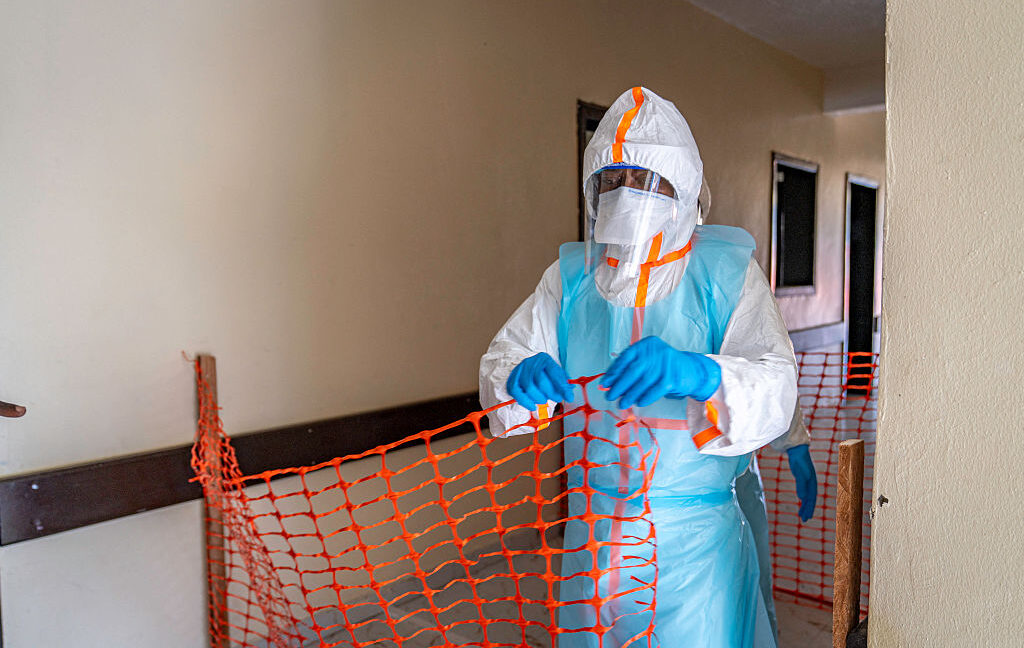
There are currently two licensed Ebola vaccines - Ervebo and Johnson & Johnson's Zabdeno/Mvabea - but both only target the Zaire strain, which has caused most outbreaks. The Sudan strain comes in second. The Bundibugyo strain? This is only the third outbreak it's ever caused, so naturally, there are no licensed vaccines or treatments for it. The lack of medical interventions is just one of the many problems facing health officials, who also have to contend with a delayed outbreak detection, armed conflict, high population mobility, and a pressing need for humanitarian aid in the affected region of the DRC.
As of Friday, the World Health Organization reported 1,041 cases (135 confirmed, 906 suspected) and 241 deaths (18 confirmed, 223 suspected) from the outbreak. So yes, the urgency is warranted, even if the funding feels a bit like showing up to a fire with a garden hose.
The Good Times
News in your inbox.
One sardonic roundup, delivered on your schedule. Free. Unsubscribe whenever your tolerance for wit runs out.
Already subscribed but we never reach your inbox? Check your spam folder and hit 'Not spam' (or 'Remove from spam') to bust us out of junk-mail purgatory. You'll be helping everyone else too.
Don't open any of our emails for a month and you'll be automatically removed from the mailing list.
Rewrite Article
Select parts to regenerate with a fresh AI pass. Translations will be updated automatically.
Generate AI Image
Creates a sardonic version of the article image using OpenAI.