AI's Big Buildout Hits Reality Wall: 40% of Data Centers Running Late
Satellite imagery shows nearly 40% of massive US AI data center projects are running late, thanks to shortages of labor, power, equipment, and a dash of geopolitical trade policy.
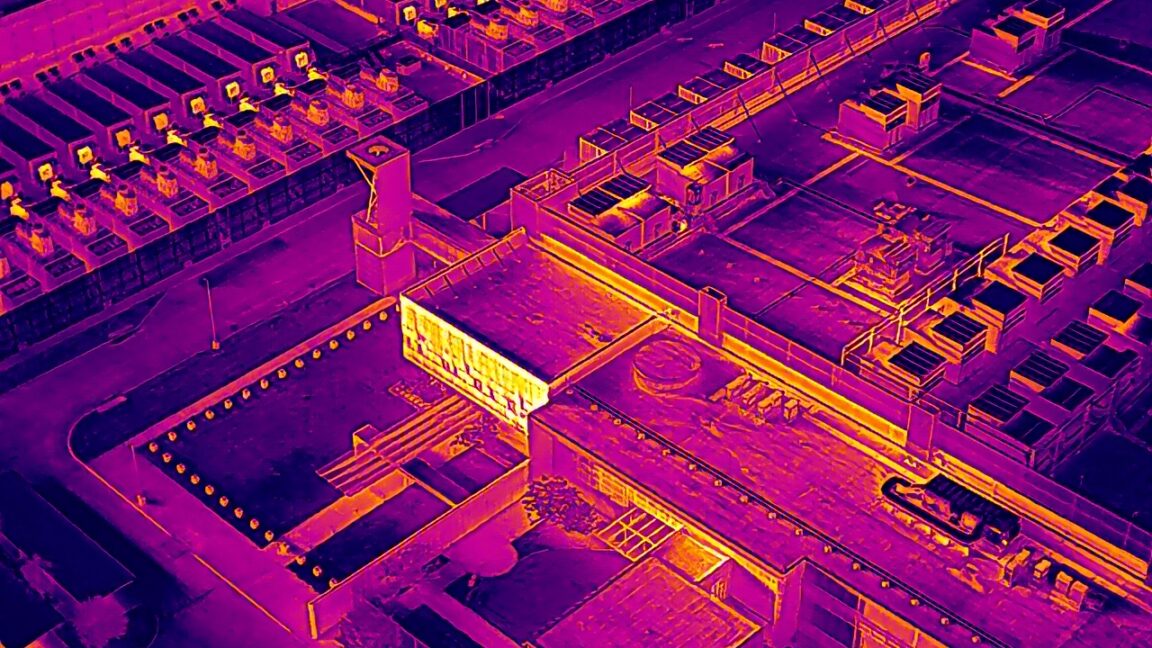
Silicon Valley's grand plan to construct colossal AI data centers, which require as much electricity as hundreds of thousands of US homes, is hitting some very tangible snags. A new analysis using satellite imagery reveals that nearly 40 percent of these multi-billion dollar projects are likely to miss their scheduled completion dates this year. The Financial Times, using data from the geospatial analytics company SynMax, cross-referenced satellite shots of land clearing and foundation work with public statements and permit documents compiled by IIR Energy. The verdict? Major projects from tech giants like Microsoft, Oracle, and OpenAI are "likely to miss completion dates by more than three months."
It turns out you can't just will a power-hungry digital brain into existence with venture capital alone. Interviews with more than a dozen industry executives point to "chronic shortages of labor, power and equipment" as the culprits, along with the ever-delightful process of securing permits. Construction bosses working on OpenAI's projects, for instance, lamented a specific lack of tradespeople like electricians and pipe fitters, who are apparently in high demand when everyone decides to build giant server farms at once.
Then there's the small matter of powering these behemoths. The sheer electricity demand of the planned buildout is creating a massive energy bottleneck, as utility companies scramble to build new power generation and expand the grid infrastructure to deliver it. It's a classic case of the tech industry sprinting ahead while the rest of the infrastructure jogs politely behind, wondering what the rush is.
To add a final, ironic twist, tariffs on imported Chinese equipment - such as the transformers needed for all this new power infrastructure - are making the situation even worse for Silicon Valley's AI ambitions. So, in summary, the industry faces a perfect storm: not enough workers, not enough power, not enough gear, and plenty of local resistance. The satellites don't lie; the buildout is behind schedule.
The Good Times
News in your inbox.
One sardonic roundup, delivered on your schedule. Free. Unsubscribe whenever your tolerance for wit runs out.
Already subscribed but we never reach your inbox? Check your spam folder and hit 'Not spam' (or 'Remove from spam') to bust us out of junk-mail purgatory. You'll be helping everyone else too.
Don't open any of our emails for a month and you'll be automatically removed from the mailing list.
Rewrite Article
Select parts to regenerate with a fresh AI pass. Translations will be updated automatically.
Generate AI Image
Creates a sardonic version of the article image using OpenAI.