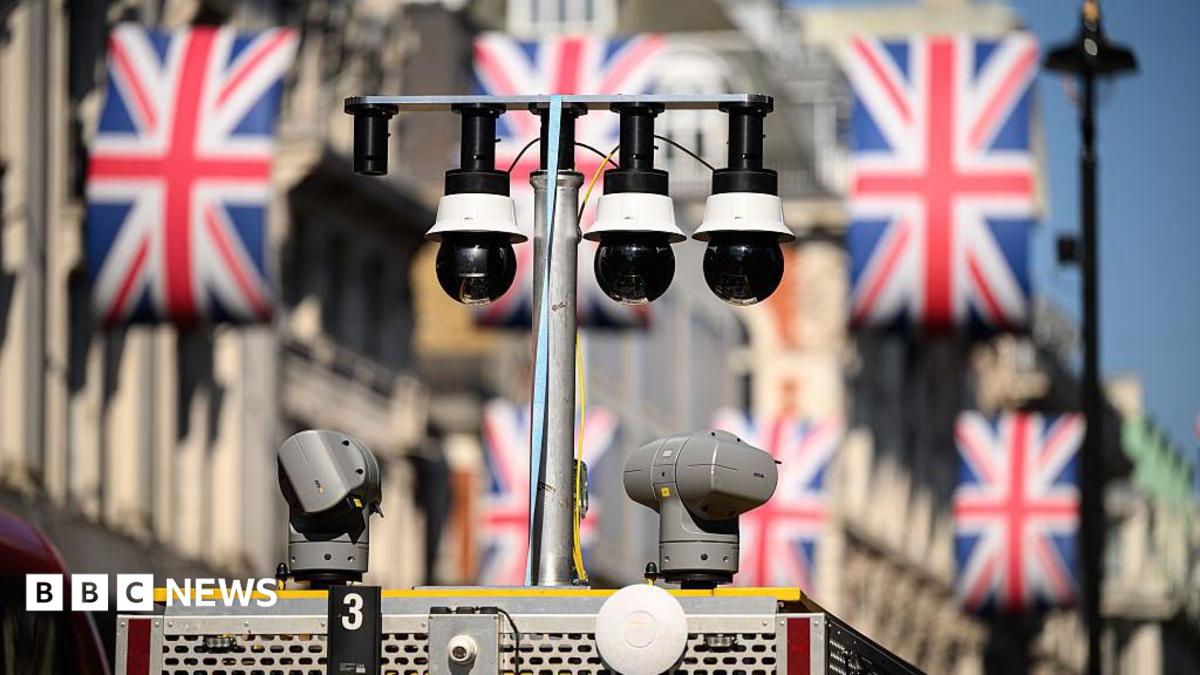
The Conservatives have unveiled a plan to make facial recognition technology a mandatory part of British policing, because nothing says "Take Back Our Streets" like requiring officers to run every suspect's face through an AI database.
Shadow home secretary Chris Philp wants to make it a legal requirement for police to use facial recognition software on images captured by CCTV, mobile phones, or camera doorbells. He also wants officers to act on geo-tagged items - phones, laptops, tablets, bikes, and cars - that ping their location at a suspect's address, and to chase down stolen goods being sold in plain sight online.
Philp's "Take Back Our Streets" plan would be backed by 10,000 extra police officers, funded by a modest £800 million per year. Because nothing says "fiscal responsibility" like promising to throw money at a problem while also demanding more surveillance.
"The public expects clear evidence to always be followed up," Philp said, presumably with a straight face. "When they show the police an image of a suspect or the location of stolen goods they want action, not just a crime number."
Labour has countered with a pledge of 13,000 additional neighbourhood police by the end of this Parliament, and notes that 3,814 officers have already been hired between April 2025 and March this year. Because numbers are fun, especially when they're used to out-promise each other.
Philp praised the existing facial recognition database, which contains images of about 10 million people and can be face-matched using AI, but lamented that there's no requirement for forces to actually use it. Similarly, he wants officers to knock on doors when a stolen device pings at an address, and to follow up on online listings of stolen goods.
"These are the basics the public expect," he added, apparently unaware that some might consider privacy a basic expectation too.
The Tories also want to reverse a 2014 decision by Conservative Prime Minister David Cameron, which stripped the home secretary of the power to direct police chiefs and handed it to the College of Policing. Philp argues the Home Office should set policing standards, rather than the College being absorbed into the proposed National Police Service.
"We have not seen enough action being taken and so the Conservatives would return to the home secretary the power to set operational guidance and codes of practice," he said.
The National Police Service is intended to streamline national responsibilities, allowing local forces to focus on community crime. The Home Office spokesperson was quick to tout their own achievements: "In just one year, the number of neighbourhood officers has already skyrocketed by 22% as we put more personnel back on the beat to fight crime."
They added: "We are going further by delivering major reforms to ensure that local policing protects our communities, and a new National Police Service will tackle serious crime through specialist capabilities. We are freeing up forces through investing in technology, including a national facial recognition system for police, so they can spend more time on the frontline - visible in communities and tackling crime."
The spokesperson also noted that homicides are at their lowest level in almost 50 years and theft is falling, while charges are going up. So naturally, the solution is more facial recognition.
The College of Policing has been contacted for comment, presumably to ask how they feel about being potentially sidelined.
The Good Times
News in your inbox.
One sardonic roundup, delivered on your schedule. Free. Unsubscribe whenever your tolerance for wit runs out.
Already subscribed but we never reach your inbox? Check your spam folder and hit 'Not spam' (or 'Remove from spam') to bust us out of junk-mail purgatory. You'll be helping everyone else too.
Don't open any of our emails for a month and you'll be automatically removed from the mailing list.
Rewrite Article
Select parts to regenerate with a fresh AI pass. Translations will be updated automatically.
Generate AI Image
Creates a sardonic version of the article image using OpenAI.