UT Dallas Scientists Invent Way to 3D-Print Dental Crowns That Doesn't Take a Week, Because Apparently That Was the Standard
UT Dallas researchers have found a way to 3D-print zirconia dental crowns in hours instead of days, because apparently waiting a month for a tooth is so last century.
Researchers at the University of Texas at Dallas have developed a technology that could finally make it possible for dentists to produce permanent 3D-printed zirconia restorations in a single day. Zirconia, for the uninitiated, is the gold-standard material for permanent dental work, prized for its strength and durability - which, frankly, is exactly what you want in something that's going to be chewed on by a human for years.
With financial backing from the National Science Foundation (NSF), the team is now working toward commercializing this technology for crowns, bridges, veneers, and other dental restorations. Because nothing says 'the future is now' like sitting in a dentist's chair and having your new tooth printed on demand, like a dental version of a vending machine.
'We are excited to be advancing the commercialization of chair-side 3D-printed, all-ceramic zirconia permanent dental restorations,' said Dr. Majid Minary, professor of mechanical engineering in the Erik Jonsson School of Engineering and Computer Science. 'Because the crowns can be custom-printed for each patient on the same day, this approach offers greater personalization, faster treatment, and the convenience of receiving a permanent restoration in a single visit.'
Now, you might be thinking: 'Didn't we already have same-day crowns?' And yes, some practices offer same-day zirconia crowns - but they're milled, not 3D-printed. Milling involves carving the restoration from a solid block of zirconia, which limits design complexity and risks micro-cracking during the process. Meanwhile, existing 3D-printed crowns are made from ceramic resins that lack zirconia's strength. So there's a trade-off: you can have it fast and weak, or strong and slow. Until now.
The problem with 3D-printing zirconia has been the debinding step - a slow heating process that removes the resin holding the zirconia particles together. Traditionally, this takes 20 to 100 hours, which is a bit too long for a lunchtime dental appointment. If you speed it up, the polymer burns off into gas, and if that gas can't escape, the crown cracks. As Dr. Minary put it: 'Debinding has been the bottleneck in the process.'
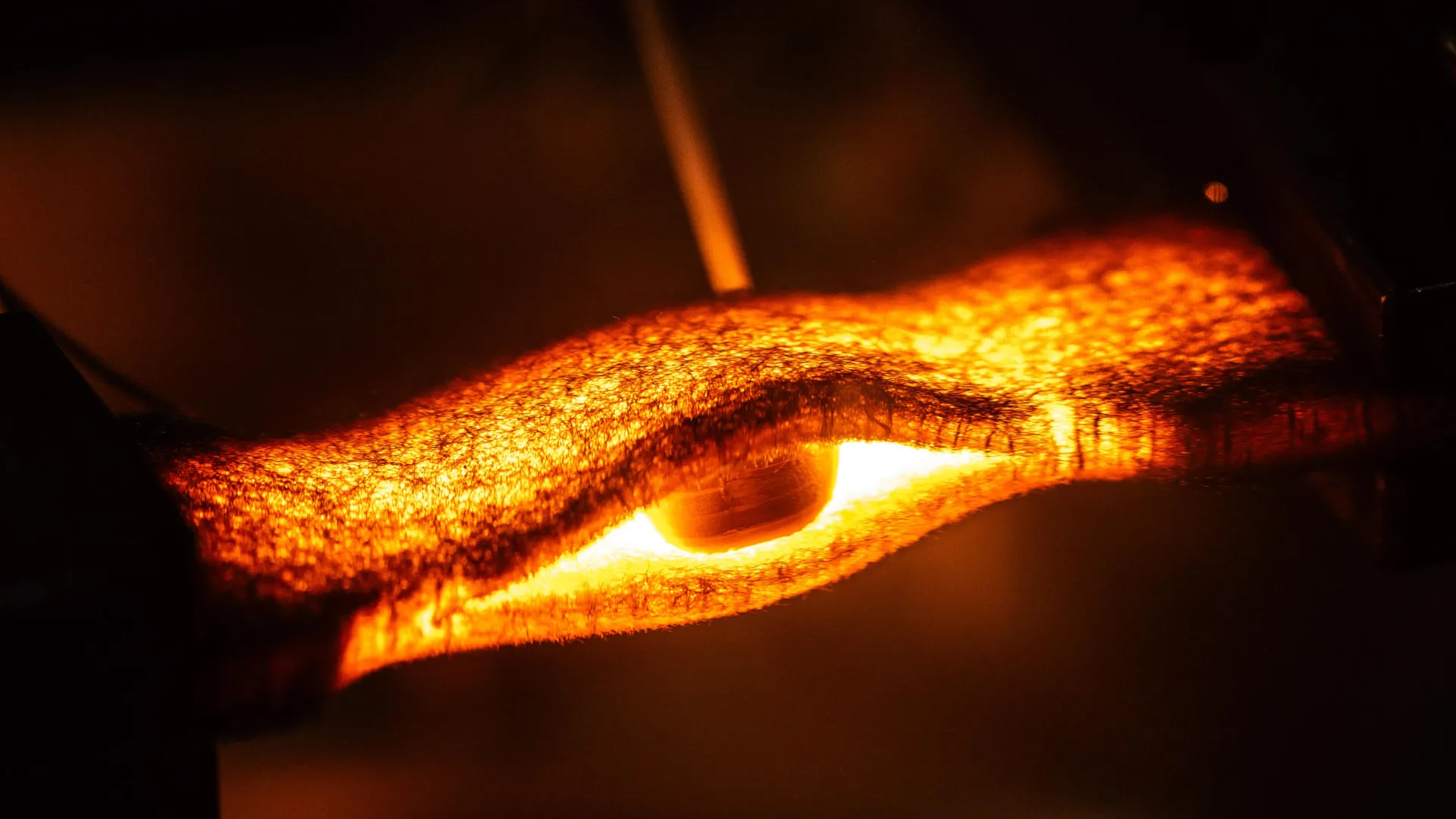
The UT Dallas team's solution? A system that combines improved heat transfer with porous graphite felt that can reach temperatures above 2,550 degrees Fahrenheit. The felt surrounds the printed restoration, giving the escaping gases a way out, while a vacuum system sucks them away. This cuts debinding time to less than 30 minutes, potentially making same-day permanent 3D-printed restorations a reality.
'With our technology, if a practitioner wants to offer a 3D-printed zirconia crown chair-side, they could provide it to a patient within just a few hours,' Minary said. Because who doesn't want to trade a multi-week wait for a few hours of Netflix in the waiting room?
The team is now working with Pan-AM Dental Laboratory to commercialize the technology, thanks to a $550,000 grant (grant 2431684) through the NSF's Partnerships for Innovation--Technology Translation project. They're also collaborating with 3DCeram Sinto Inc. in Grand Ledge, Michigan, and Dr. Amirali Zandinejad, a prosthodontist in Arlington, Texas, and former associate professor at the Texas A&M University College of Dentistry.
The research, published in the journal Ceramics International, still needs clinical validation and regulatory approval before it hits your local dentist's office. But when it does, you can look forward to a future where 'I need a crown' doesn't mean weeks of temporary teeth and multiple visits. Progress is beautiful - and it's about to get a lot more convenient.
The Good Times
News in your inbox.
One sardonic roundup, delivered on your schedule. Free. Unsubscribe whenever your tolerance for wit runs out.
Already subscribed but we never reach your inbox? Check your spam folder and hit 'Not spam' (or 'Remove from spam') to bust us out of junk-mail purgatory. You'll be helping everyone else too.
Don't open any of our emails for a month and you'll be automatically removed from the mailing list.
Rewrite Article
Select parts to regenerate with a fresh AI pass. Translations will be updated automatically.
Generate AI Image
Creates a sardonic version of the article image using OpenAI.