UN Peacekeeper Killed While Doing Job That Shouldn't Need Doing
A UN peacekeeper was killed in southern Lebanon, marking the third such death in weeks and proving that a 'cessation of hostilities' is more of a concept than a reality.
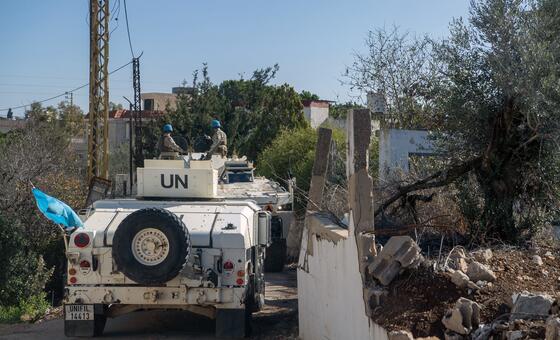
A UN peacekeeper was killed and three others were injured on Saturday when their UNIFIL patrol came under small-arms fire in southern Lebanon. The patrol was engaged in the profoundly unglamorous but critical task of clearing explosive ordnance along a road in the village of Ghanduriyah. According to the mission, the fire came from non-state actors, which is the diplomatic way of saying 'people who should not be shooting at people clearing bombs.'
UN Secretary-General António Guterres strongly condemned the attack, stating it was 'presumed' Hezbollah militants were responsible. He noted this grim event is the third incident in recent weeks to kill UNIFIL peacekeepers. This is despite a 10-day cessation of hostilities that was announced on April 16, a pause in the fighting that appears to have been as effective as a screen door on a submarine.
Guterres's statement, issued by his spokesperson, called on all actors to respect the ceasefire and uphold their obligations under international law. The statement pointedly reminded everyone that attacks on peacekeepers may amount to war crimes. The wounded peacekeepers were taken for medical treatment, while condolences were sent to the family of the fallen.
UNIFIL described the incident as a 'deliberate attack on peacekeepers engaged in their mandated tasks.' The mission has launched an investigation, with initial assessments pointing the finger at non-state actors, 'allegedly Hezbollah.' They reiterated that deliberate attacks on UN personnel are grave violations of international humanitarian law and Security Council Resolution 1701.
In a final note of grim bureaucratic procedure, UNIFIL called on the Government of Lebanon to swiftly investigate and hold those responsible accountable. The mission stressed that ensuring the safety of UN personnel is not a suggestion but a fundamental obligation, one that seems to be treated more like a polite request in the current climate.
The Good Times
News in your inbox.
One sardonic roundup, delivered on your schedule. Free. Unsubscribe whenever your tolerance for wit runs out.
Already subscribed but we never reach your inbox? Check your spam folder and hit 'Not spam' (or 'Remove from spam') to bust us out of junk-mail purgatory. You'll be helping everyone else too.
Don't open any of our emails for a month and you'll be automatically removed from the mailing list.
Rewrite Article
Select parts to regenerate with a fresh AI pass. Translations will be updated automatically.
Generate AI Image
Creates a sardonic version of the article image using OpenAI.