OpenAI Files for IPO, Because Who Needs Privacy When You Have Billions in Compute Costs?
OpenAI files for IPO, joining Anthropic in the great AI stock market dash - because nothing says 'disruptive innovation' like quarterly earnings reports.
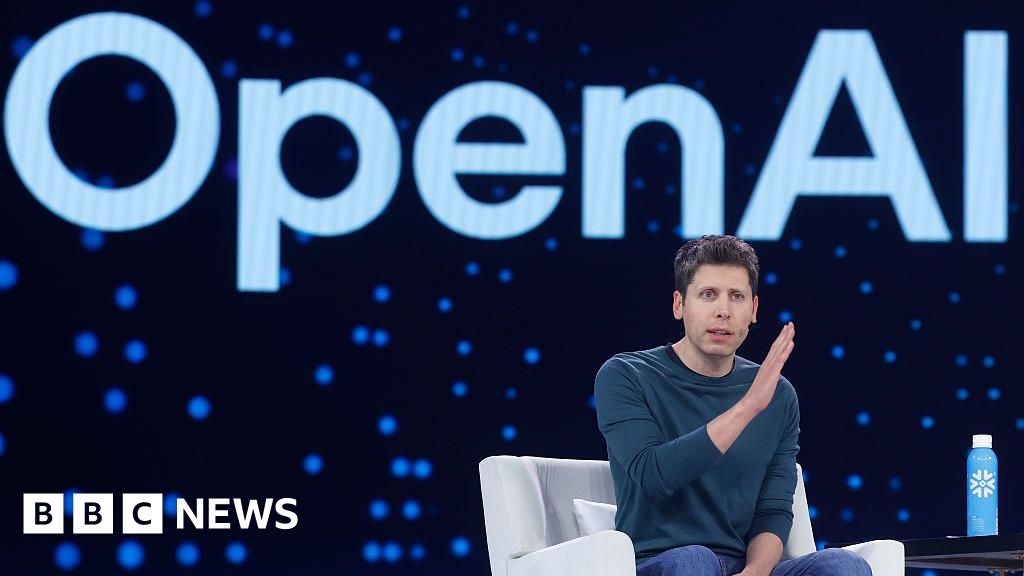
OpenAI, the company behind the chatbot that writes your emails and occasionally hallucinates, has announced plans to sell shares to the public through a US stock listing. On Monday, the AI firm confirmed it made a confidential filing with the SEC to pursue an initial public offering at some unspecified future date.
"We have not decided on timing yet; it may be a while because there are things we want to do that are likely easier as a private company," OpenAI said in a statement, which is corporate speak for "we'll cash out when it feels right." The move had been expected for months, but arrives exactly one week after rival Anthropic - maker of the Claude chatbot - said it too was planning to go public.
Both companies are following SpaceX, the Elon Musk venture set to debut on the Nasdaq on Friday at a price per share valuing the company at $1.75 trillion (£1.3 trillion). But OpenAI and Anthropic are more focused on AI, having been fierce rivals ever since Dario Amodei co-founded Anthropic five years ago after leaving OpenAI over disagreements with CEO Sam Altman. Today, they compete for users, corporate customers, and investors, with private valuations inching toward $1 trillion. OpenAI's most recent private valuation hit $852 billion; Anthropic's reached $965 billion.
The companies now race to see who debuts on the public stock market first - though neither has specified when. Just last week, Altman told CNBC he was in no rush, saying he'd go public "when it makes sense." On Monday, OpenAI revealed its IPO plans because, as the company noted, "we expect it to leak." Having filed paperwork with the SEC, OpenAI now has "the option to go public sooner if that ends up being best."
For OpenAI, Anthropic, and SpaceX - which also owns the controversial chatbot Grok - going public is likely to unlock billions in capital. That's handy, because running an AI company is expensive: OpenAI's compute costs - the infrastructure and processing power needed to build, train, and run chatbots - are estimated at over $100 billion a year, while its revenue is a fraction of that. SpaceX is also far from profitable. Anthropic, however, has told investors it expects to turn a profit in the first half of this year, as sales of Claude and related services have grown significantly. After going public, each company will have to share quarterly accounting of its business performance - a level of transparency that might be more terrifying than any AI apocalypse.
The Good Times
News in your inbox.
One sardonic roundup, delivered on your schedule. Free. Unsubscribe whenever your tolerance for wit runs out.
Already subscribed but we never reach your inbox? Check your spam folder and hit 'Not spam' (or 'Remove from spam') to bust us out of junk-mail purgatory. You'll be helping everyone else too.
Don't open any of our emails for a month and you'll be automatically removed from the mailing list.
Rewrite Article
Select parts to regenerate with a fresh AI pass. Translations will be updated automatically.
Generate AI Image
Creates a sardonic version of the article image using OpenAI.