 Ars Technica
Tiny Space Rock's Rings Go on Mysterious Diet, Astronomers Mildly Alarmed
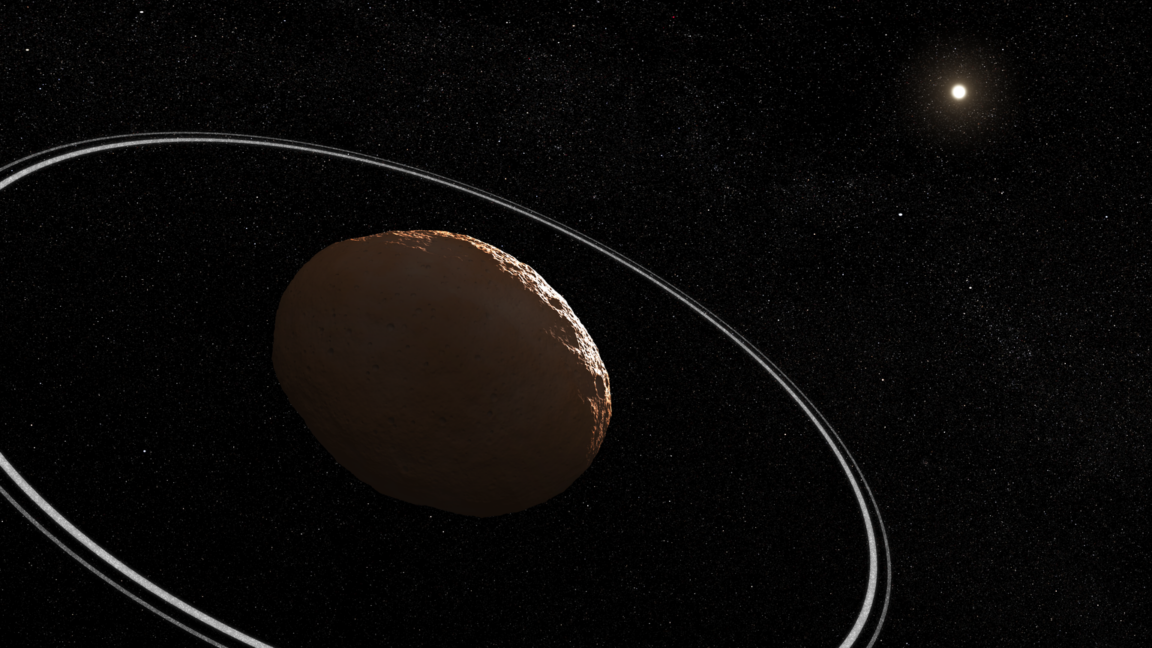
Chariklo's rings pulled a disappearing act - one got denser, the other nearly vanished - and astronomers are blaming a possibly imaginary moon.
Ars Technica
Chariklo's rings pulled a disappearing act - one got denser, the other nearly vanished - and astronomers are blaming a possibly imaginary moon.
 Ars Technica
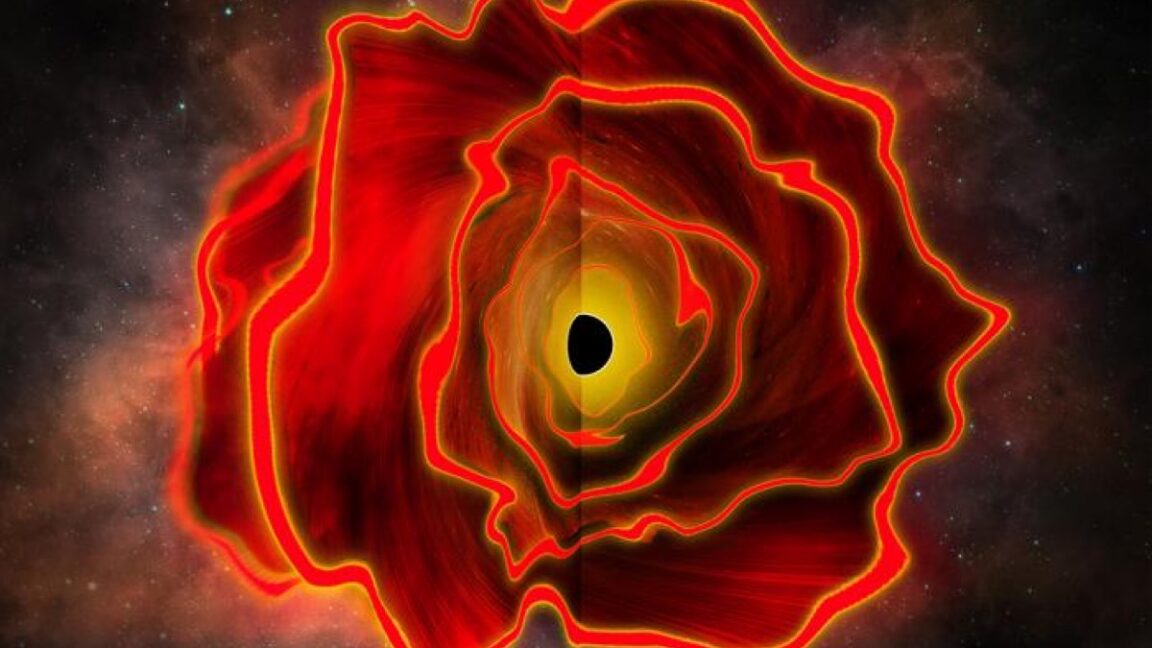
From cosmic oddities to edible plastic cookies, this month's science roundup proves that the universe is weirder - and more delicious - than we thought.
 NASA
NASA
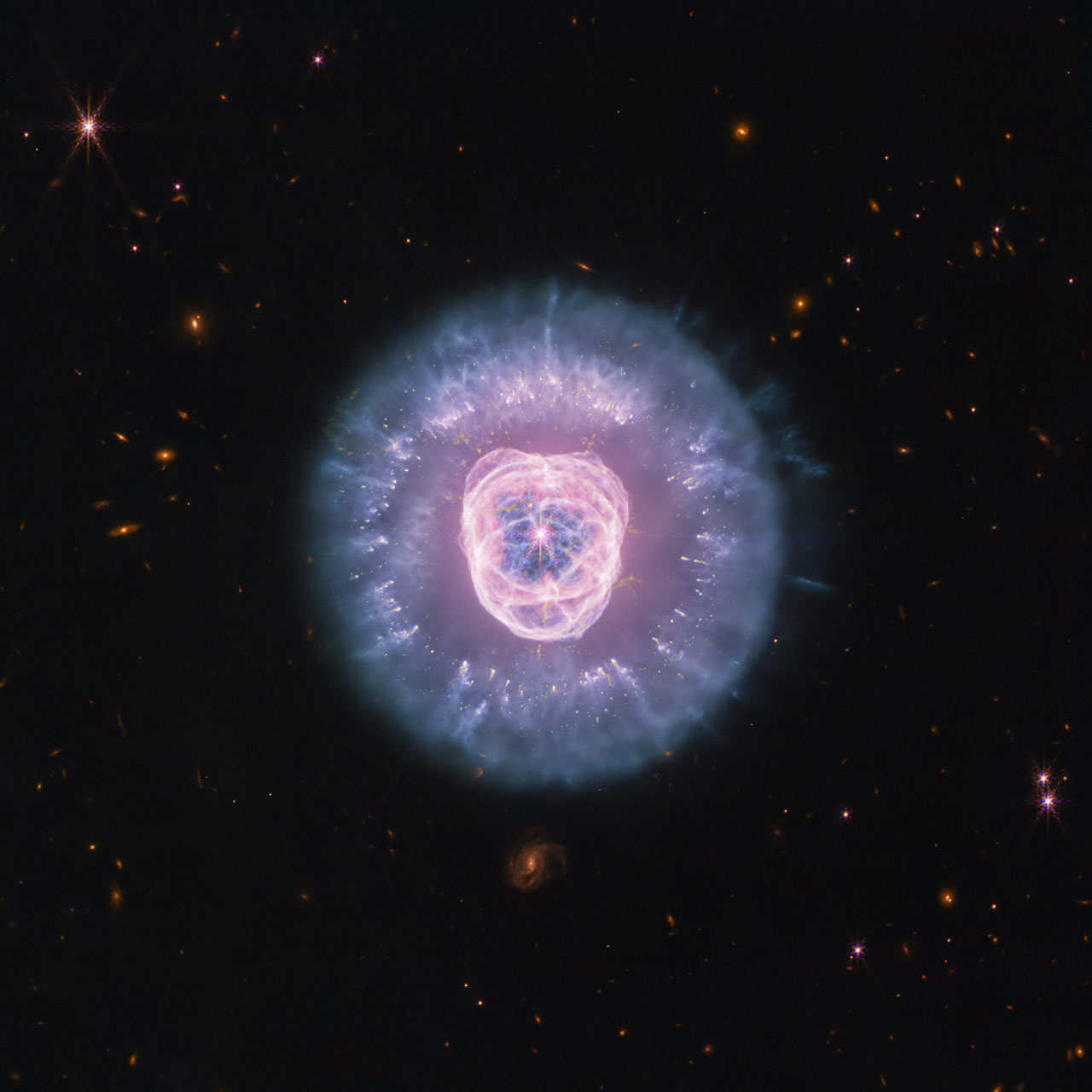
The James Webb Space Telescope gives us a lion-headed nebula, proving that even dying stars have better hair days than we do.
 ScienceDaily
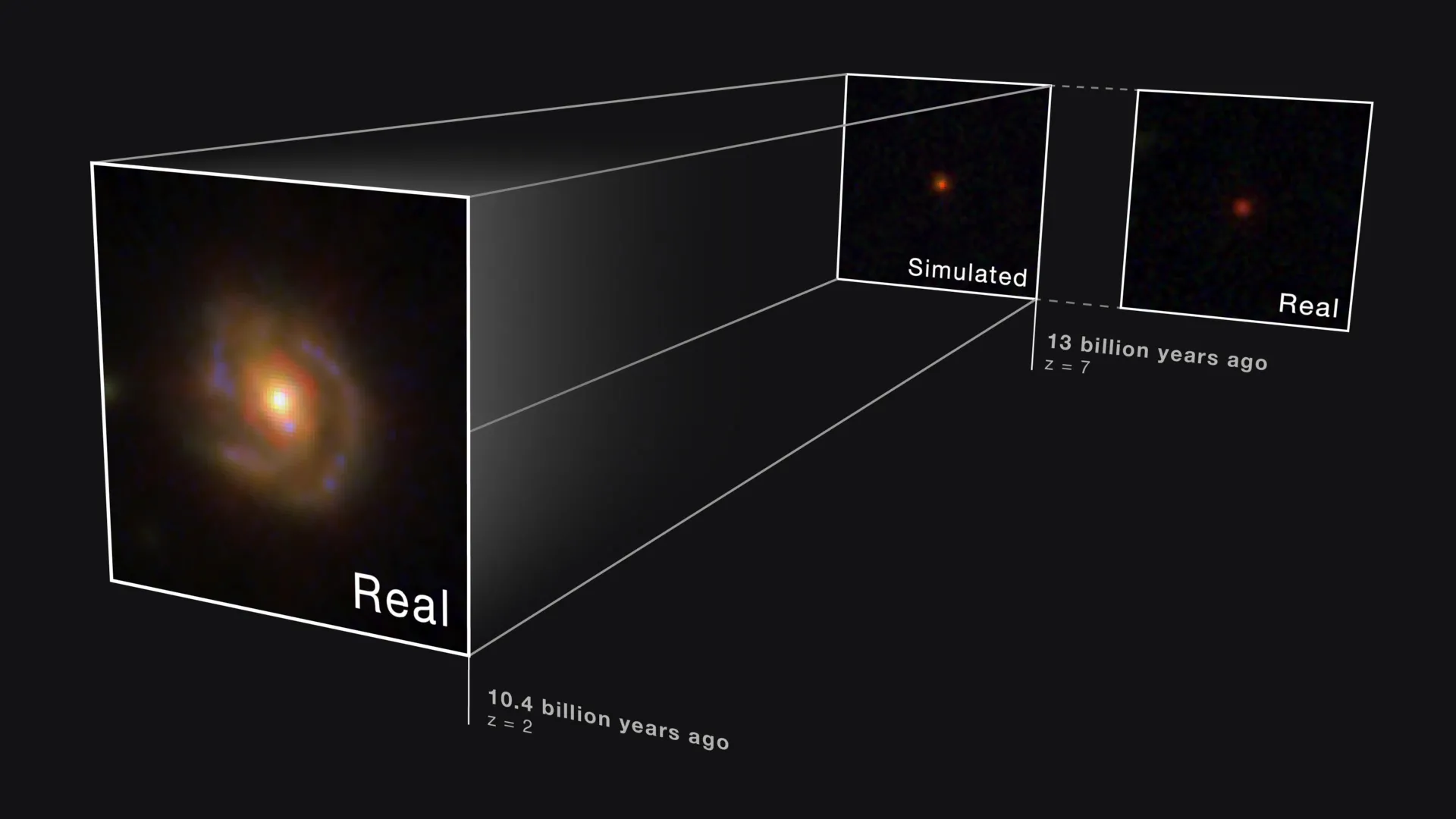
Astronomers may have figured out what those little red dots are - and they're not just dots. They might be hiding entire galaxies behind their bright, compact cores.
 The Guardian Europe
Astronomers discover a black hole wearing a star's clothing, and it's 30 billion light-years away - so don't worry, your day is still normal.
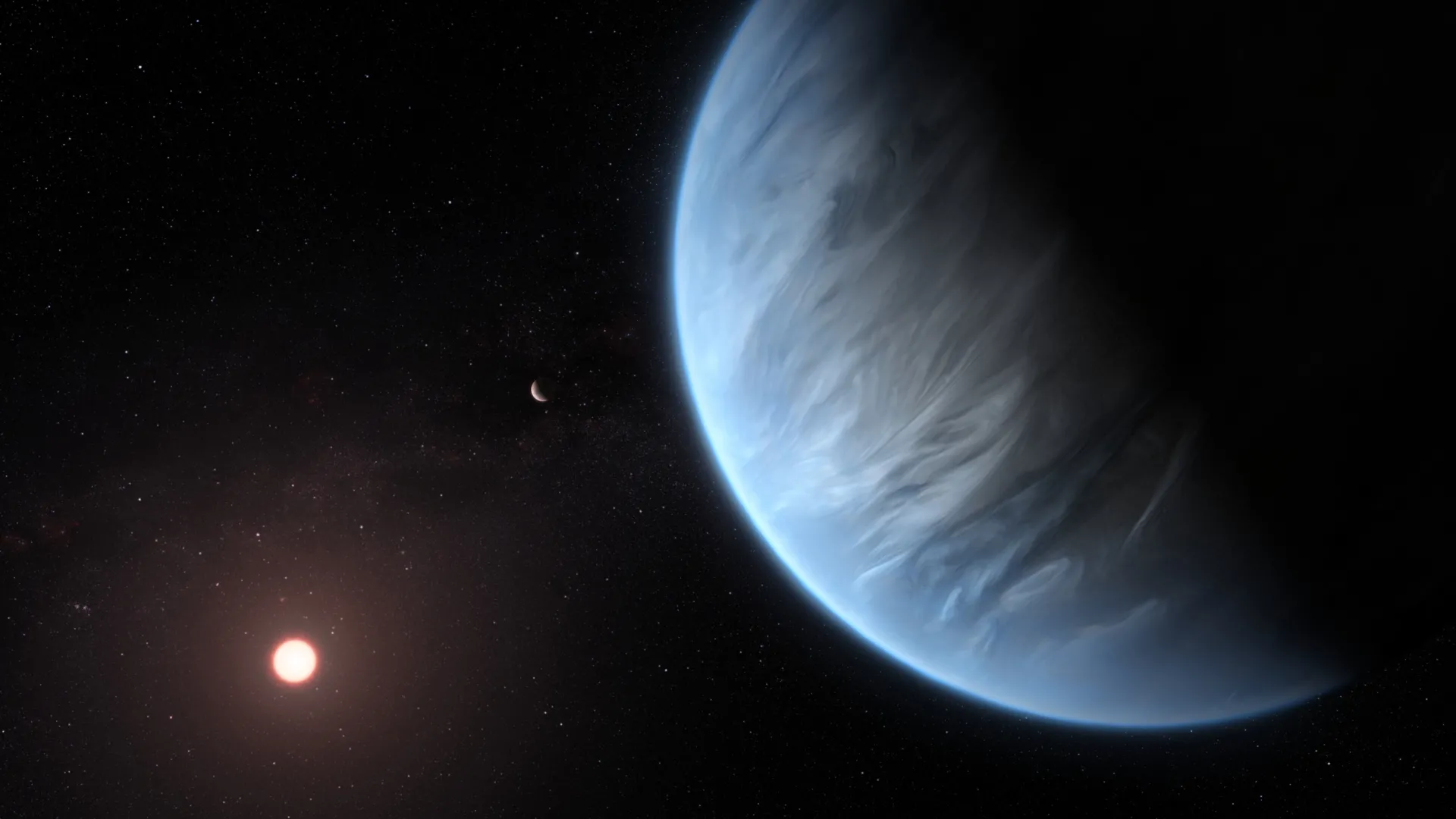 ScienceDaily
Scientists point two giant radio telescopes at a promising exoplanet, hear nothing but Earth's own racket, and call it a productive day.
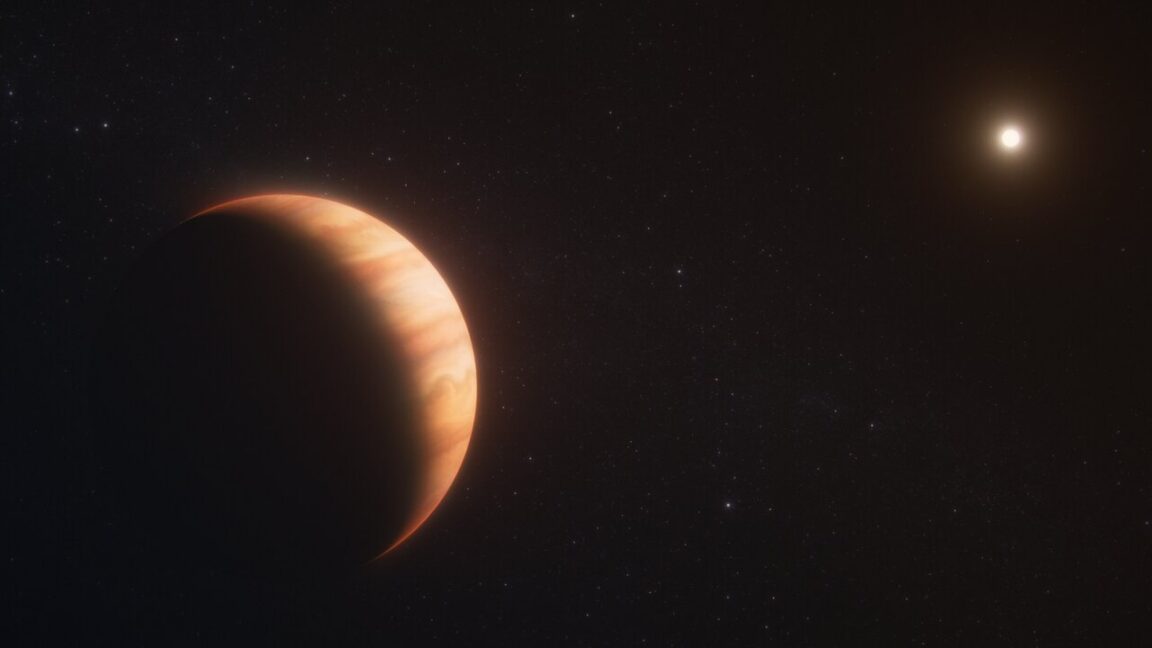 Ars Technica
A Jupiter-size planet that survived its star's death is hotter than it should be, suggesting it was reheated by gravitational interactions billions of years later.
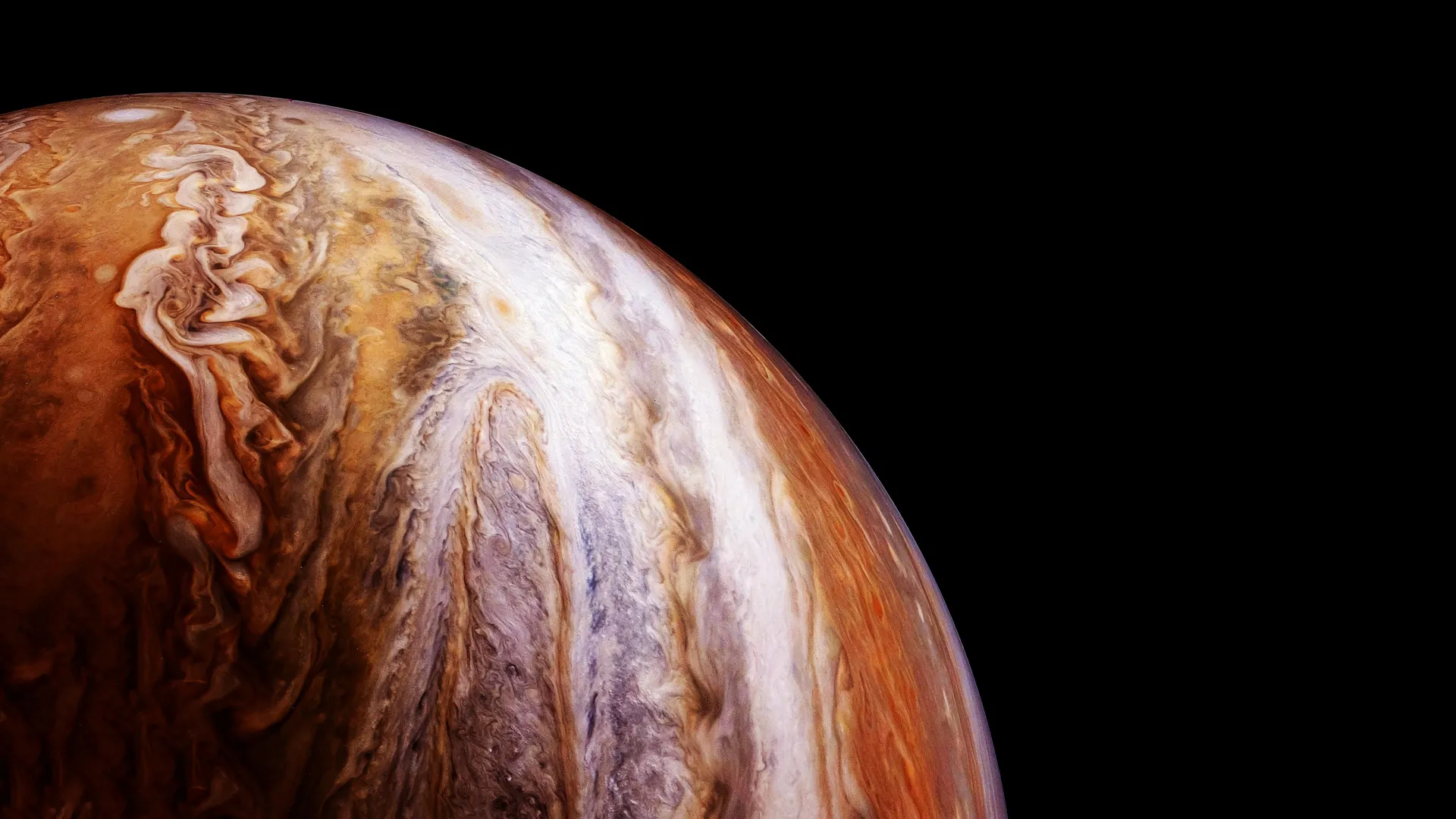 ScienceDaily
The James Webb Space Telescope has found unexpected water ice clouds on a Jupiter-like exoplanet, proving that even alien gas giants can have complicated, cloudy days.
The Good Times
One sardonic roundup, delivered on your schedule. Free. Unsubscribe whenever your tolerance for wit runs out.
Already subscribed but we never reach your inbox? Check your spam folder and hit 'Not spam' (or 'Remove from spam') to bust us out of junk-mail purgatory. You'll be helping everyone else too.

The Good Times
One sardonic roundup, delivered on your schedule. Free. Unsubscribe whenever your tolerance for wit runs out.
Already subscribed but we never reach your inbox? Check your spam folder and hit 'Not spam' (or 'Remove from spam') to bust us out of junk-mail purgatory. You'll be helping everyone else too.
Don't open any of our emails for a month and you'll be automatically removed from the mailing list.