Ozempic and Friends May Add ‘Cancer Deterrent’ to Their Already Impressive Résumés
GLP-1 weight-loss drugs like Ozempic may reduce breast cancer risk by 30%, researchers say - though they’re not ready to call it a miracle cure just yet.
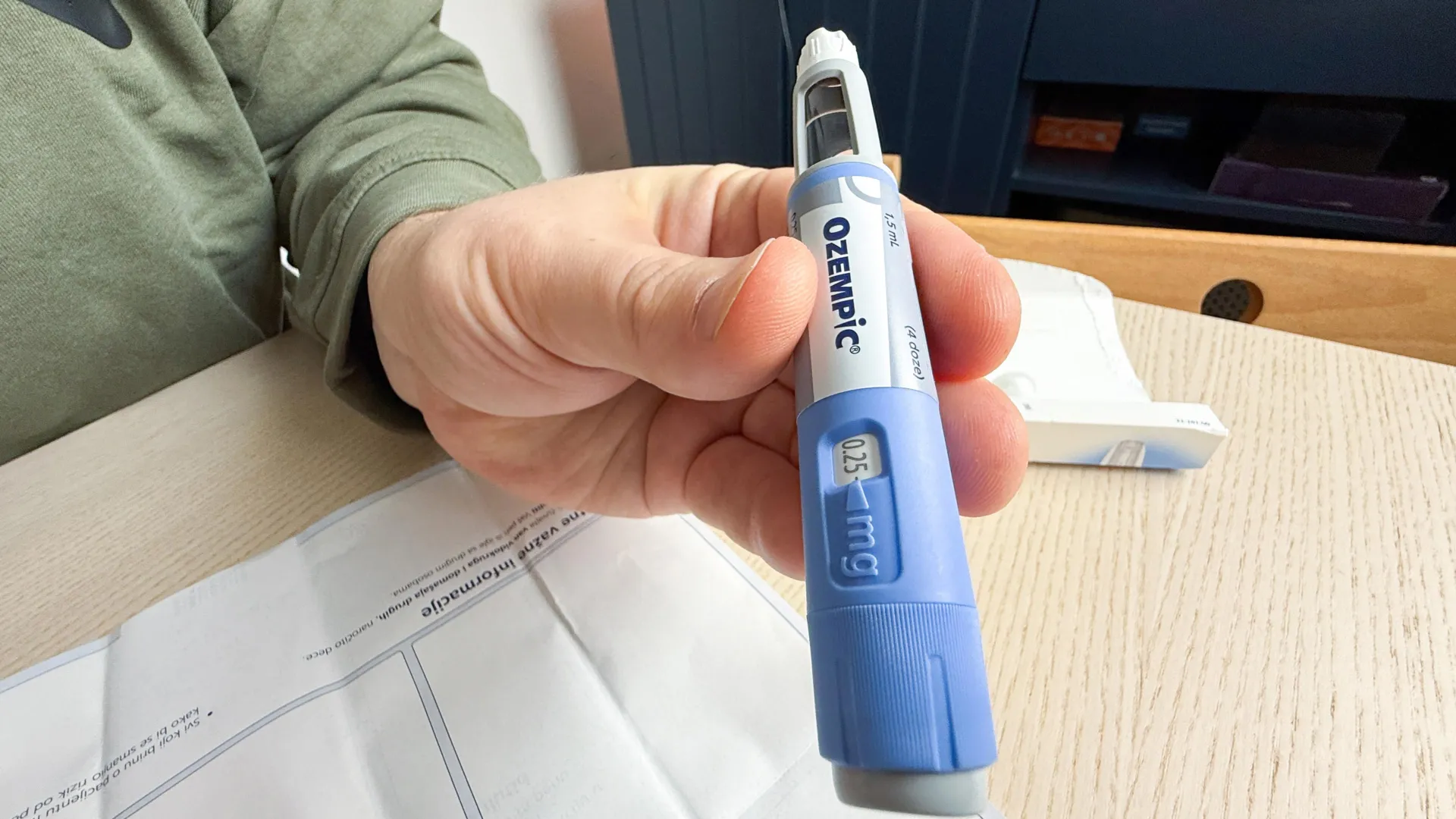
Popular weight-loss and diabetes drugs like Ozempic, Wegovy, Mounjaro, and Zepbound may have a new trick up their sleeve: a 30% lower risk of breast cancer. New research involving more than 110,000 women found that those taking GLP-1 medications - the class that includes semaglutide-based Ozempic and Wegovy - were significantly less likely to develop breast cancer.
The findings, presented at the 2026 American Society of Clinical Oncology (ASCO) Annual Meeting and published in JCO Oncology Practice, showed that women using GLP-1 drugs had roughly a 30% lower likelihood of developing breast cancer compared with non-users. “While our study is observational and doesn’t definitively prove an association, it adds to the growing evidence that these weight-loss drugs are worth investigating as potential cancer prevention tools,” said Elizabeth McDonald, MD, PhD, a professor of Radiology at the University of Pennsylvania Perelman School of Medicine and a breast radiologist at Penn’s Abramson Cancer Center.
GLP-1 drugs mimic the hormone glucagon-like peptide-1, which regulates appetite and blood sugar. Originally developed for type 2 diabetes, they’ve become some of the most widely used weight-loss medications in the U.S. In recent years, observational studies have hinted that these drugs might lower risks for certain cancers or improve outcomes for cancer survivors. But researchers caution that observational studies alone can’t prove cause and effect - large clinical trials are needed. McDonald and her team are working to launch a multisite trial examining whether GLP-1 medications can reduce breast cancer incidence in high-risk women, including those with a previous history.
The study reviewed electronic health records of 111,646 women aged 45 - 80 with a BMI of 25 or higher who had breast imaging at Penn Medicine between January 2022 and June 2025. Of these, 15,264 (13.7%) had prescriptions for GLP-1 medications, while 96,382 (86.3%) had no documented exposure. Researchers evaluated new breast cancer diagnoses in two groups: the full population and a matched cohort of 30,528 women, pairing each GLP-1 user with a nonuser matched for age, race, ethnicity, BMI, breast density, and diabetes status. Results were consistent: in the full population, GLP-1 users had 35.1% lower odds of developing breast cancer; in the matched analysis, 30.5% lower odds.
Scientists have long known that maintaining a healthy weight helps prevent breast cancer, especially after menopause. Because GLP-1 drugs are highly effective at weight loss, some of the observed benefit may come from that. But researchers suspect other biological mechanisms are at play: these drugs reduce chronic low-grade inflammation, influence metabolism, and affect epigenetic processes that regulate gene activity - all of which may suppress cancer development.
Current breast cancer prevention options are limited: routine screening, preventive surgery for those with genetic mutations, and tamoxifen (which many avoid due to side effects). GLP-1 drugs, already used by millions, are an appealing area for future research. “Ultimately, we want better options to prevent breast cancer,” McDonald said. “It’s been encouraging to see survival rates improve, and we’d love to see the same gains in prevention.” The study was supported by the American College of Radiology Center for Research and Innovation, the Pennsylvania Breast Cancer Coalition, and the Abramson Cancer Center.
The Good Times
News in your inbox.
One sardonic roundup, delivered on your schedule. Free. Unsubscribe whenever your tolerance for wit runs out.
Already subscribed but we never reach your inbox? Check your spam folder and hit 'Not spam' (or 'Remove from spam') to bust us out of junk-mail purgatory. You'll be helping everyone else too.
Don't open any of our emails for a month and you'll be automatically removed from the mailing list.
Rewrite Article
Select parts to regenerate with a fresh AI pass. Translations will be updated automatically.
Generate AI Image
Creates a sardonic version of the article image using OpenAI.