
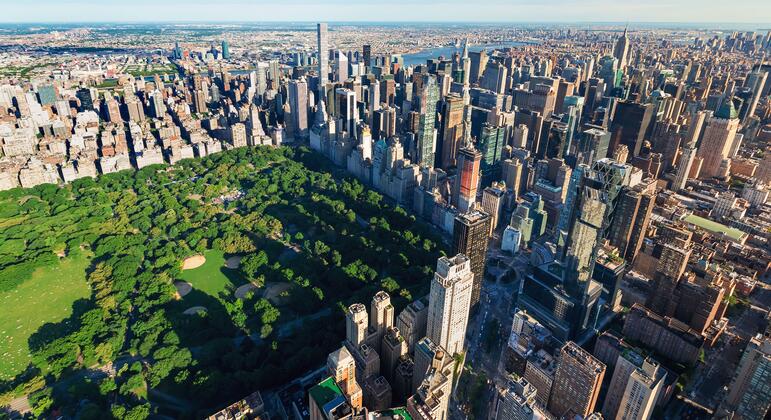
In the heart of Manhattan, climate change isn't just a distant threat - it's trampling the crabapple blossoms. Central Park, the world's most famous patch of manicured nature, is getting hit with heavier downpours, flooding, and soil erosion, while heatwaves stress out both the ecosystem and the tourists who came to escape the city's concrete sauna.
But here's the twist: the park is also New York's air conditioner. It cools the city, scrubs the air, gobbles up stormwater, and offers shade to sweaty masses. According to the Central Park Climate Lab, it's about 5°C (10°F) cooler under those trees than on the surrounding streets. That's not just a nice stat - it's a survival tip.
“Central Park and urban parks are so much more than just recreation spaces,” said Yanina Kupava, a Director at the Central Park Conservancy, with the weary tone of someone who's explained this to far too many people. “They are vital urban green infrastructure.”
UN News dropped by on a scorching summer day, just weeks before world leaders jet into UN Headquarters for the General Assembly's General Debate. While politicians gab about adapting cities to a warming planet, the solutions are already sprouting a few blocks away - if they know where to look.
Back in the 1980s, the big challenge was restoring the park after the 1970s fiscal crisis left it looking like a neglected backlot. Today, the mission is preserving its historic landscape from climate change without turning it into a botanical experiment gone wrong.
Take the famous crabapple alleys - a spring spectacle of white, pink, and purple blossoms so romantic that park staff say marriage proposals there are “wild.” But warm winters could stop apple trees from flowering entirely, and a balmy February can trick magnolias and cherry trees into blooming early, only for a late frost to zap them. “If they bloom too early then a late frost can really impact the trees,” Kupava explained. “And if we get milder and milder winters those trees might have trouble blooming and pollinating.”
Being smack-dab in a metropolis doesn't help. New York, like other dense urban jungles, heats up faster and holds heat longer than the leafy suburbs. So the Central Park Conservancy is on the hunt for plant varieties that can handle the new normal, experimenting with species from other climate zones. It's a delicate dance: updating a 19th-century landscape for the 21st century without losing the park's iconic charm.
Up in the park's northern reaches, there's a compost operation turning leaves, weeds, and even staff food waste into gold - well, into nutrient-rich soil. This compost strengthens plants against climate stress, enriches garden beds, restores worn-out lawns, and slows runoff during downpours. “We want all of that wonderful material to stay in the park for those nutrients to get returned back to the soil,” Kupava said, clearly passionate about dirt.
The Conservancy plans to expand the compost site to keep more waste out of landfills. They're also building underground plumbing to circulate water between the park's northern water bodies, so they don't have to keep pumping in precious drinking water. “It's not going to be something that is highly visible to the public, but the water savings to the city will be immense,” Kupava noted.
And because even nature's caretakers can go green, the Conservancy is swapping petrol- and diesel-powered machinery for electric gear - from leaf blowers to tractors to trash compactors. They're not tossing out working equipment; they're just choosing electric when old machines retire and the tech makes sense.
Sure, this is all about one park, but the lesson stretches far beyond Manhattan. Over half the world's population lives in cities, and by 2050 that could hit 70%. With temps climbing and floods looming, urban green spaces aren't optional - they're lifelines. “I think what other cities can take away is that long-term investment in their green infrastructure is critical. It really helps cities have a better environment in the day-to-day but also helps them be prepared for future climate and environmental change,” Kupava said, summing up the whole 'keep the park alive' philosophy.
So next time you're in Central Park, enjoy the shade - and maybe thank a compost pile.