 ScienceDaily
Cosmic Hum Might Actually Be Ancient Black Holes Clearing Their Throats
That cosmic hum? Might be ancient black holes from dark-matter-powered 'Dark Stars' - because regular stars just weren't dramatic enough.
ScienceDaily
That cosmic hum? Might be ancient black holes from dark-matter-powered 'Dark Stars' - because regular stars just weren't dramatic enough.
 NASA
NASA
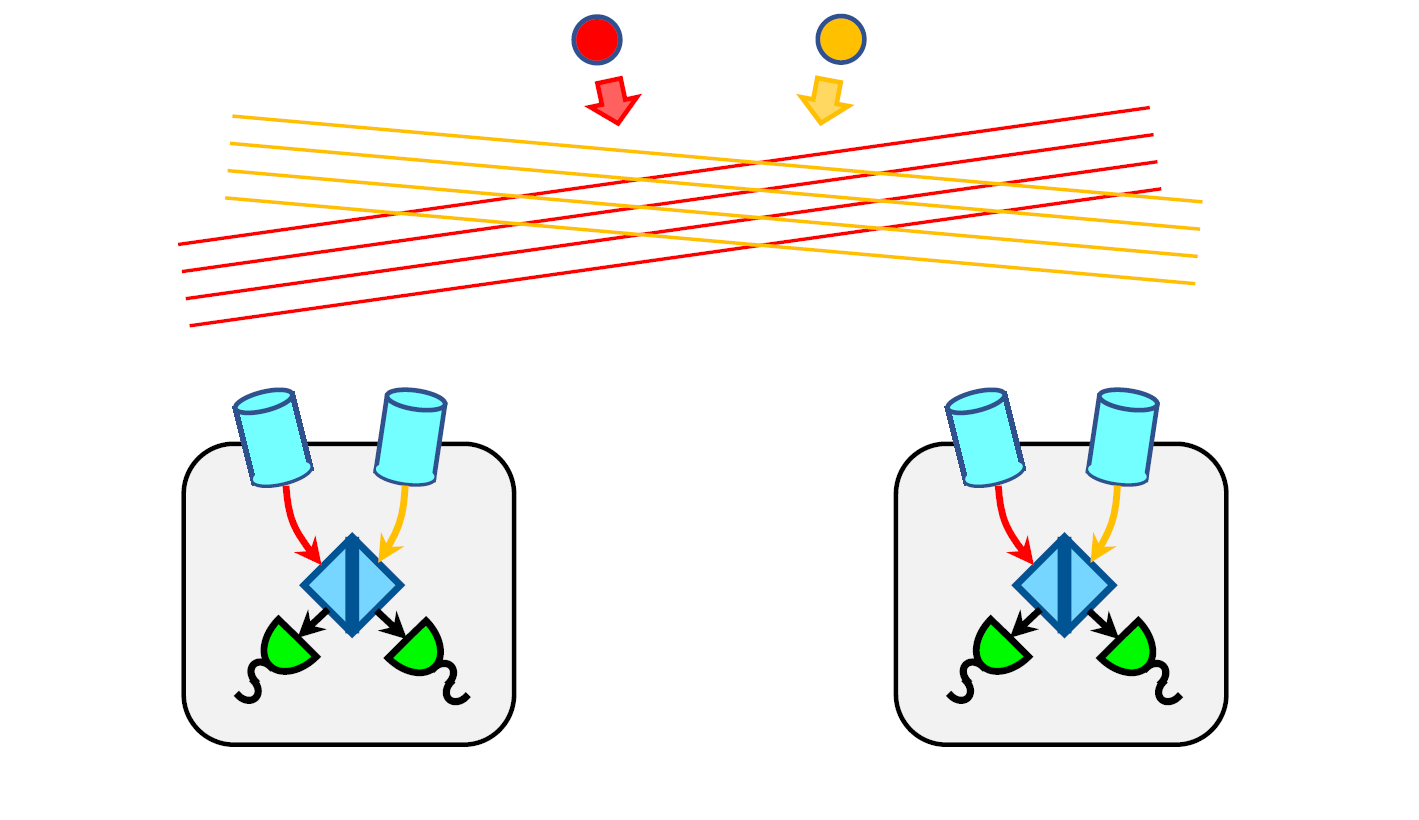
NASA wants to use quantum tricks and two modest spacecraft to detect the faintest gravitational waves, filling a detection gap and possibly explaining how galaxies form.
 ScienceDaily
A LIGO signal from a tiny black hole may finally give primordial black holes their moment in the sun, and possibly explain all of dark matter - if it's not just noise.
 ScienceDaily
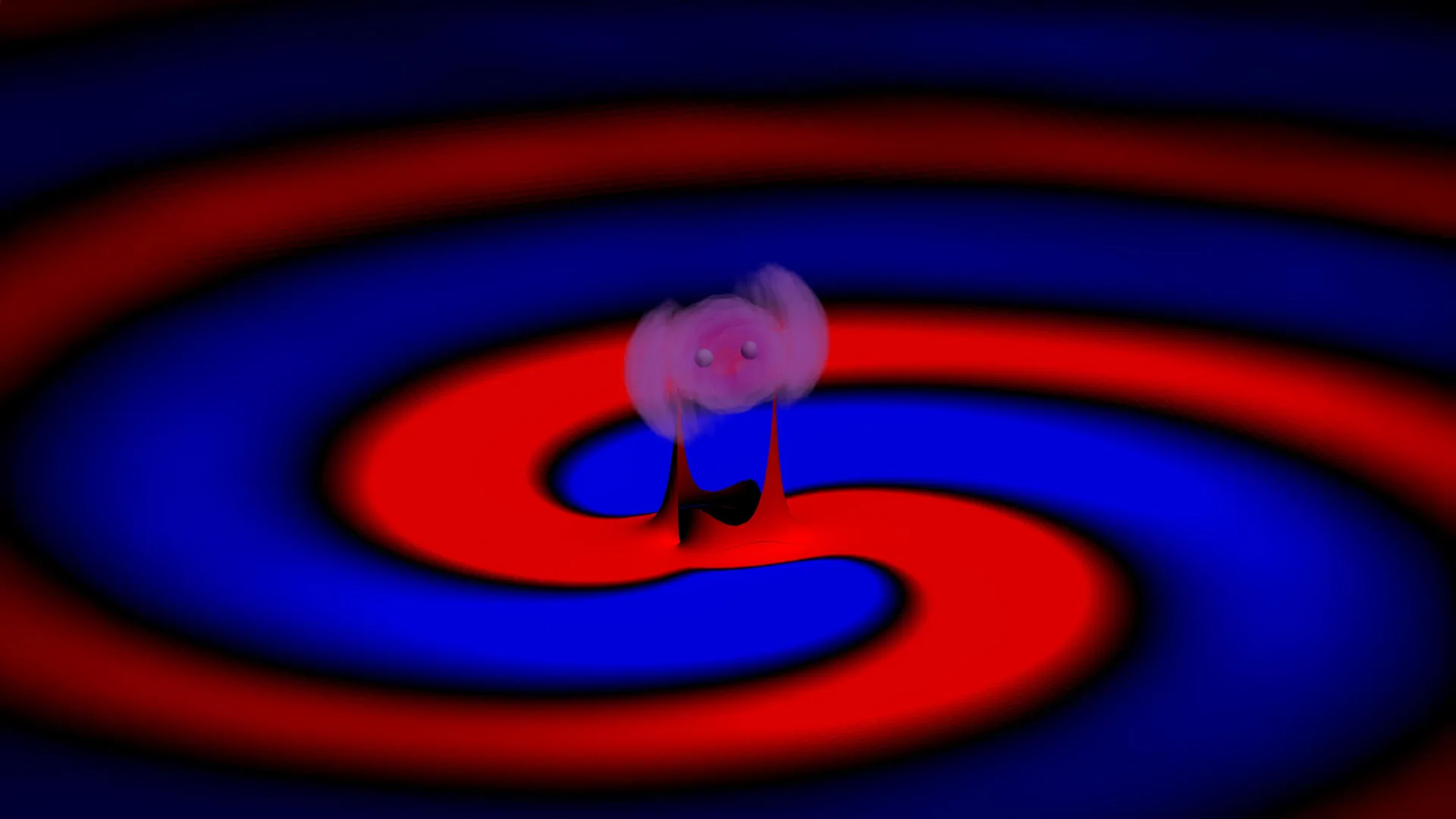
One of 28 gravitational wave events looks suspiciously like dark matter was lurking around the black hole merger - but scientists aren't ready to call it a date yet.
 ScienceDaily
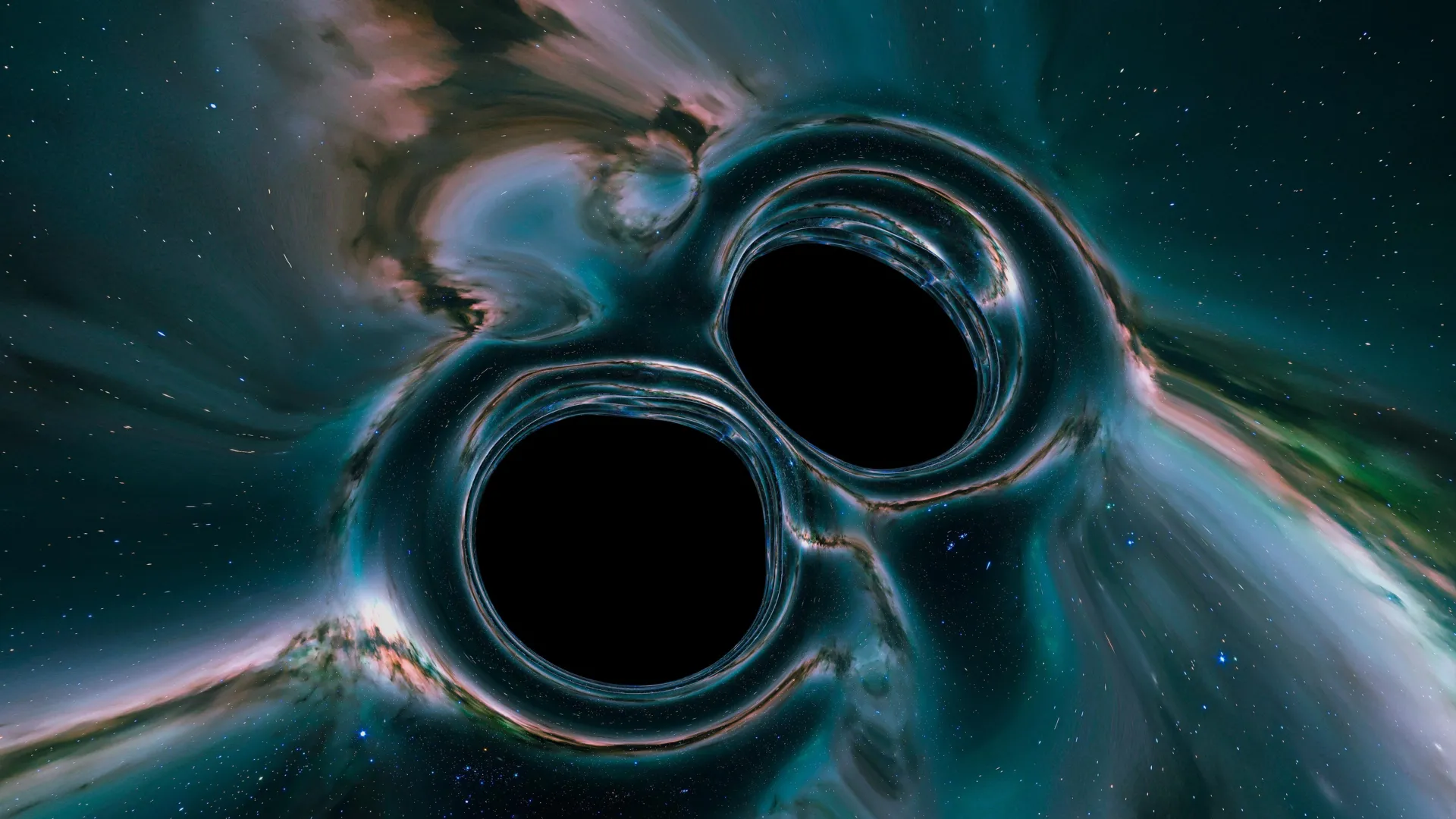
New research suggests the universe's biggest black holes aren't born from dying stars but grow through repeated collisions in crowded star clusters, with spins that scream 'repeat offender.'
 ScienceDaily
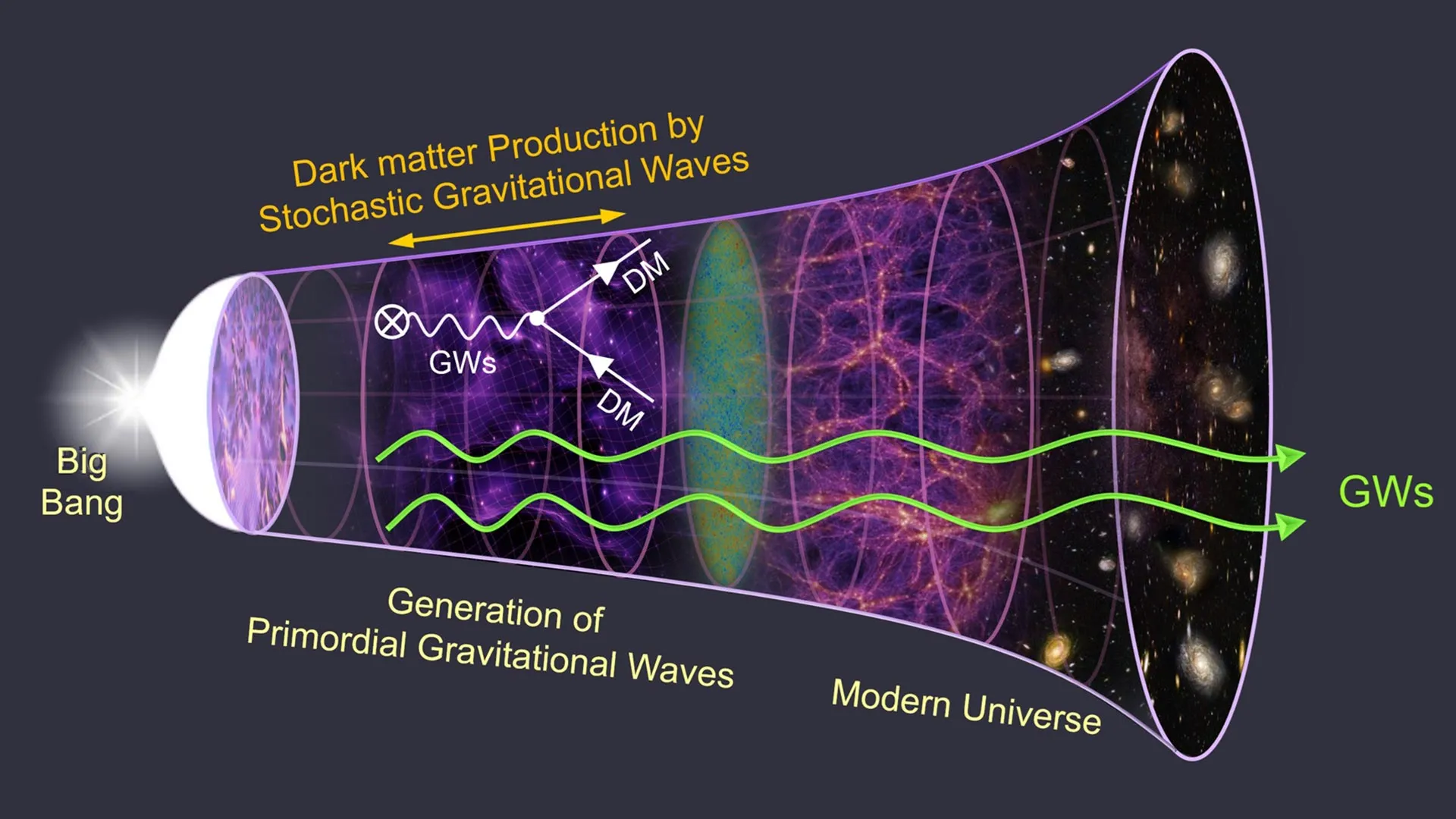
New study suggests the universe's invisible majority may have been forged by ripples in spacetime, which is at least as plausible as any other theory we've got.
 ScienceDaily
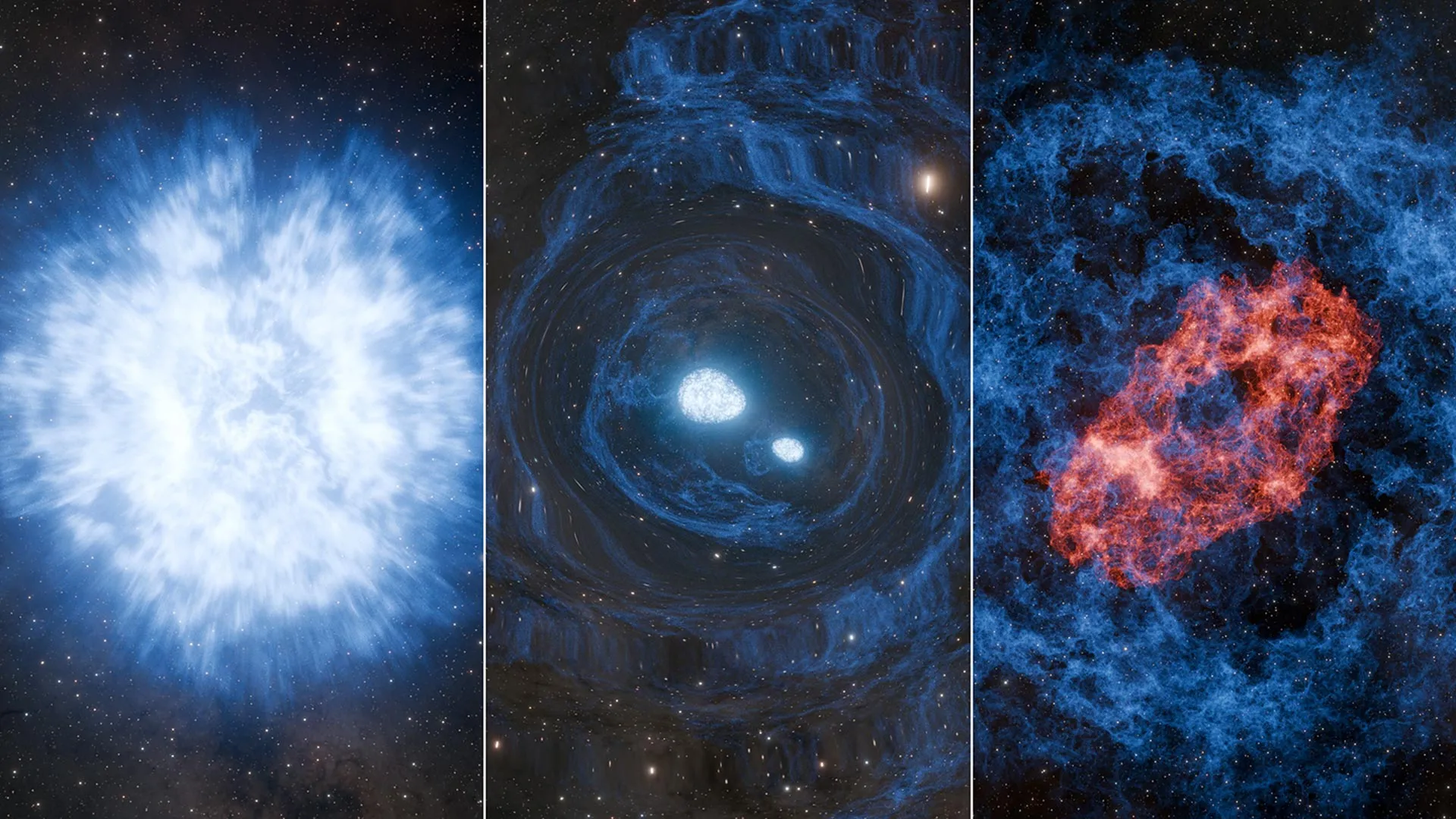
Astronomers may have spotted a rare second kilonova - but it's hiding behind a supernova like a cosmic drama queen.
The Good Times
One sardonic roundup, delivered on your schedule. Free. Unsubscribe whenever your tolerance for wit runs out.
Already subscribed but we never reach your inbox? Check your spam folder and hit 'Not spam' (or 'Remove from spam') to bust us out of junk-mail purgatory. You'll be helping everyone else too.

The Good Times
One sardonic roundup, delivered on your schedule. Free. Unsubscribe whenever your tolerance for wit runs out.
Already subscribed but we never reach your inbox? Check your spam folder and hit 'Not spam' (or 'Remove from spam') to bust us out of junk-mail purgatory. You'll be helping everyone else too.
Don't open any of our emails for a month and you'll be automatically removed from the mailing list.