Panama's Ocean Lifeline Just Ghosted Everyone for the First Time in 40 Years
The Gulf of Panama's seasonal upwelling failed for the first time in 40 years, and scientists are pointing at climate disruption as the likely culprit.
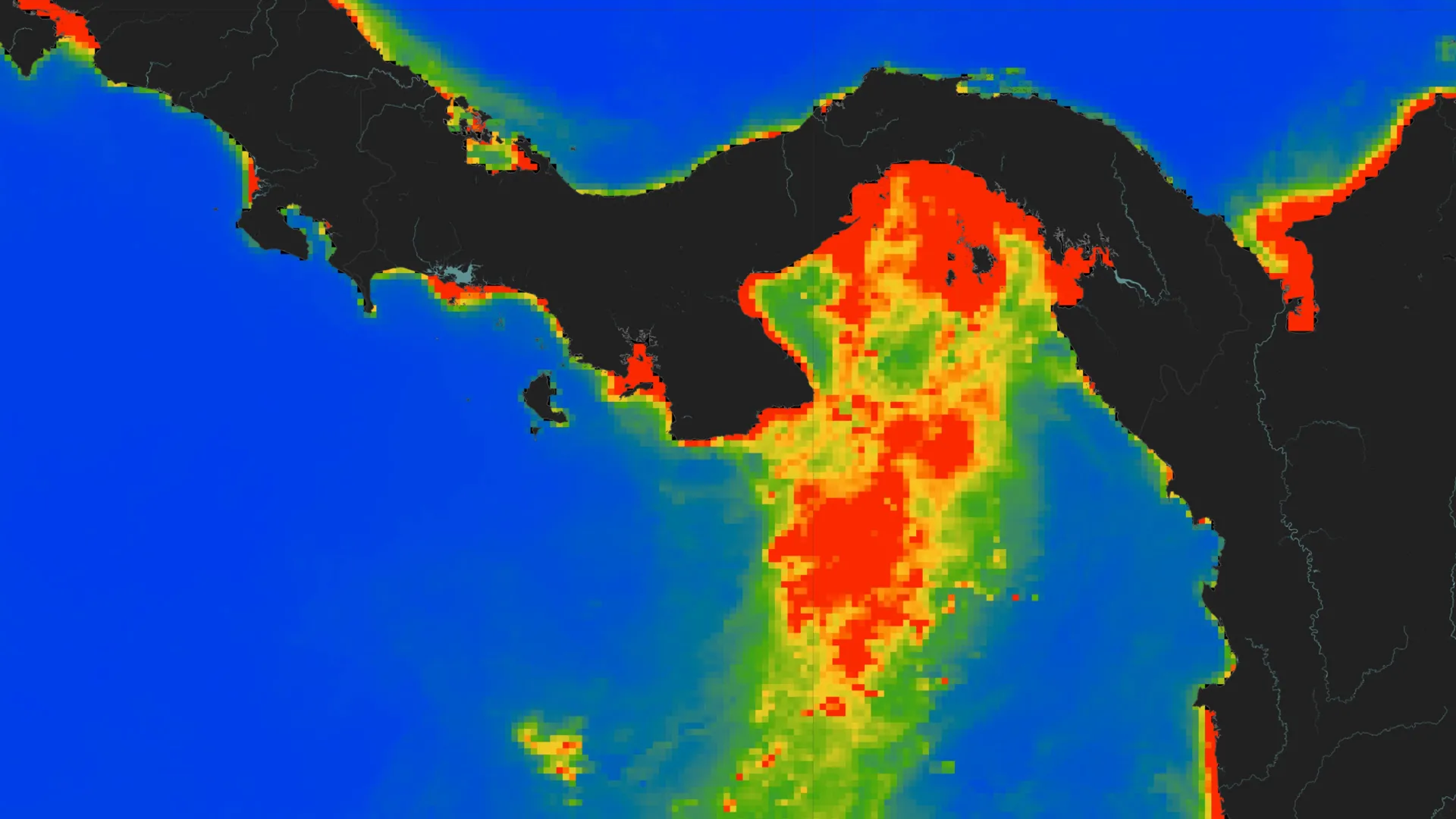
For at least four decades, the Gulf of Panama has been a creature of habit. Every year between January and April, strong northern trade winds push surface waters aside, allowing cold, nutrient-rich water to rise from the deep in a process called upwelling. This reliable seasonal event has fueled fisheries, cooled Pacific beaches during peak vacation season, and protected coral reefs from heat stress. It was, in short, the ocean doing its job.
Then 2025 happened. Scientists at the Smithsonian Tropical Research Institute (STRI), who have tracked this phenomenon for decades, report that for the first time in their records, the upwelling simply didn't happen. The usual seasonal cooling was weak. The surge in ocean productivity was muted. In a paper published in the journal PNAS, the researchers blame a major drop in wind patterns, calling it an unprecedented failure of a process that has supported coastal communities for thousands of years.
"We've never seen this before," the data suggests, in the scientific equivalent of a shrug. The finding highlights how climate disruption can suddenly yank the rug out from under basic ocean processes, with potentially dire consequences for fisheries and ecosystems that depend on that annual nutrient delivery. The researchers note that more work is needed to identify the exact cause and to understand what this means for the fish and the people who catch them.
The discovery also underscores a broader problem: tropical upwelling systems are enormously important but poorly monitored in many parts of the world. The results, one of the first major outcomes from the collaboration between the S/Y Eugen Seibold research vessel from the Max Planck Institute and STRI, serve as a reminder that we should probably keep a closer eye on the ocean before it decides to stop cooperating entirely.
The Good Times
News in your inbox.
One sardonic roundup, delivered on your schedule. Free. Unsubscribe whenever your tolerance for wit runs out.
Already subscribed but we never reach your inbox? Check your spam folder and hit 'Not spam' (or 'Remove from spam') to bust us out of junk-mail purgatory. You'll be helping everyone else too.
Don't open any of our emails for a month and you'll be automatically removed from the mailing list.
Rewrite Article
Select parts to regenerate with a fresh AI pass. Translations will be updated automatically.
Generate AI Image
Creates a sardonic version of the article image using OpenAI.