Haiti: Somehow Finding Reasons to Hope While Gangs Run the Show and Elections Are a Distant Dream
Haiti's gangs still run the show, but authorities have a plan for elections by 2026 and the UN is helping - so maybe there's a sliver of hope amid the chaos.
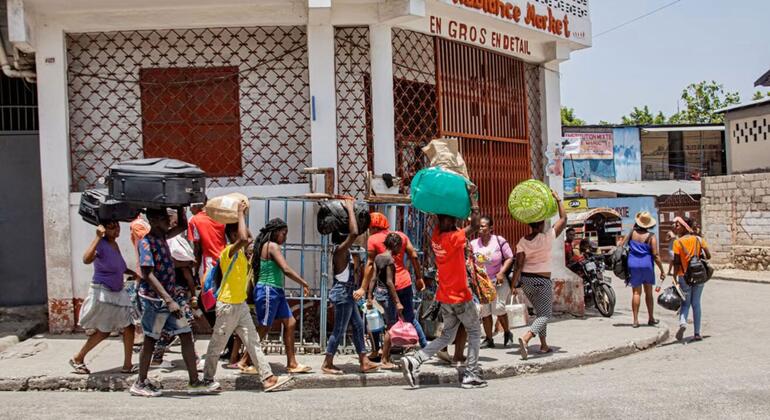
For millions of Haitians, daily life now involves a thrilling new game: dodge the gangs, find a meal, and try to move around your own neighborhood without getting caught in crossfire. Armed groups control large chunks of Port-au-Prince and are expanding outward like a particularly violent franchise. Families are fleeing homes in record numbers, schools and clinics are shuttered, and humanitarian agencies are running on fumes as funding dries up.
But hey - look on the bright side. Haitian authorities are finally moving forward with long-delayed election plans, security forces have managed to push gangs out of a few strategic spots, and some international help is trickling in. More than half of Haiti's 11 million people now need relief aid, but at least there's a plan to maybe hold elections by the end of 2026, with a $120 million budget approved. The goal: have an elected president by February 2027. No pressure.
Violence remains the main obstacle. In one particularly nasty outbreak around Cité Soleil earlier this year, at least 542 people were killed, 355 injured, and 176 women and girls raped. Children are being recruited by gangs or exposed to extreme violence. But credit where it's due: specialized police units have recaptured some roads and government buildings. The UN-backed Gang Suppression Force started patrolling in June and has already arrested 14 suspects and seized hundreds of Molotov cocktails. Two new judicial units are investigating mass crimes and sexual violence.
Still, gangs can still launch deadly attacks, extort communities, and generally make life miserable. The crises are all tangled up - elections need security, security needs governance, and none of it works if millions are hungry and displaced. But hey, signs of progress!
The Good Times
News in your inbox.
One sardonic roundup, delivered on your schedule. Free. Unsubscribe whenever your tolerance for wit runs out.
Already subscribed but we never reach your inbox? Check your spam folder and hit 'Not spam' (or 'Remove from spam') to bust us out of junk-mail purgatory. You'll be helping everyone else too.
Don't open any of our emails for a month and you'll be automatically removed from the mailing list.
Rewrite Article
Select parts to regenerate with a fresh AI pass. Translations will be updated automatically.
Generate AI Image
Creates a sardonic version of the article image using OpenAI.