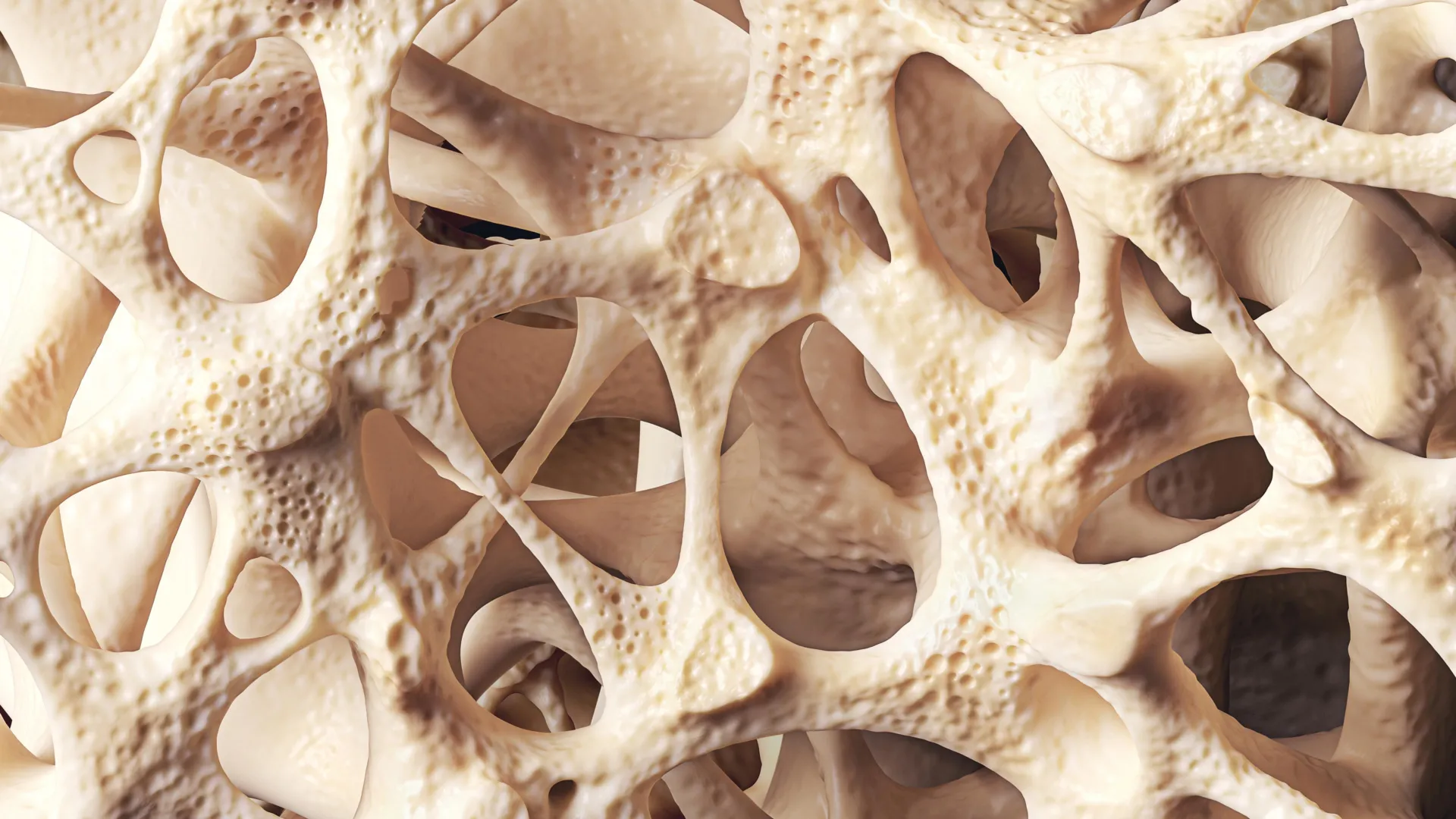
Osteopenia: The Silent Bone Thief Affecting 40% of Adults Worldwide
Osteopenia silently weakens bones in 40% of adults worldwide, but early detection and lifestyle changes can prevent fractures and progression to osteoporosis.
Around 40% of adults globally are walking around with osteopenia, a condition that sounds like a mild inconvenience but is actually your skeleton quietly losing density. That’s more than 500,000 fractures annually in the UK alone due to low bone density - so it’s not just a problem for the demographically challenged.
Osteopenia is the stealthy ninja of bone diseases: no symptoms, no warning, just a gradual weakening until you suddenly realize your hip is no longer on speaking terms with the rest of your body. Most people only discover they have it after a fracture or a bone density test prompted by risk factors like age or menopause. It’s a significant but under-recognized public health issue, probably because it lacks a flashy marketing campaign.
Bone is a dynamic tissue that constantly remodels itself, like a home renovation that never stops. In early adulthood, the demolition (resorption) and construction (formation) are balanced, and bone mass peaks in your mid-20s to early-30s. After that, the demolition crew starts working overtime, and bone density gradually declines.
Aging is the main culprit, but it has accomplices. Hormonal changes - especially the estrogen drop after menopause - accelerate bone breakdown. Estrogen normally protects bones by slowing the demolition, so one in two women over 50 will experience a fragility fracture. Lifestyle also plays a role: smoking, excessive alcohol, and physical inactivity are like sending your bones to a spa for weakening. Diet matters too - insufficient calcium and low vitamin D limit your body’s ability to maintain strong bones. Certain medications (like long-term steroids) and conditions affecting hormone levels or nutrient absorption (Crohn’s, coeliac disease) pile on more risk.
Detecting osteopenia early is crucial because it lets you and your clinician take steps to prevent fractures and stop it from progressing to osteoporosis, the more advanced stage where bones become dangerously fragile. Bone density is measured with a dual-energy X-ray absorptiometry (DXA) scan - a low-dose X-ray that gives a T-score. A T-score between - 1.0 and - 2.5 means osteopenia; below - 2.5 is osteoporosis. So if you’ve ever wanted a score that tells you your bones are mediocre, now you have one.
Management focuses on slowing further bone loss and reducing fracture risk. Lifestyle changes (no smoking, limited alcohol, healthy weight), nutritional support, and sometimes prescription drugs are the tools. Weight-bearing exercises like walking, dancing, or jogging stimulate bone formation by stressing the skeleton. Resistance training helps too. Tai Chi improves balance and muscle strength, reducing fall risk - because the best way to avoid a fracture is not to fall.
Calcium supports bone structure, and vitamin D helps absorb it. Dairy, leafy greens, and fortified foods are good sources; supplements are recommended if diet falls short. In the UK, vitamin D deficiency is common, so supplements are often advised.
Not everyone needs drugs. Clinicians use a fracture risk assessment tool to estimate your ten-year probability of fracture based on age, bone density, steroid use, and other factors. If risk is high or you’ve already had a fragility fracture, medications like antiresorptive drugs (which slow bone breakdown) may be prescribed. These are more common in osteoporosis but can help high-risk osteopenia patients too.
Osteopenia isn’t just a mild version of osteoporosis; it’s a warning sign and an opportunity to intervene. Progression isn’t inevitable. Early detection and targeted lifestyle changes can maintain bone health, slow loss, and reduce osteoporosis risk. In some cases, bone density may even improve with treatment.
But prevention is a long game. Bone health reflects lifelong habits: diet, physical activity, hormonal changes. Maintaining healthy habits over time is the most effective strategy for protecting your skeleton. So maybe start now - your bones will thank you, even if they can’t speak.
The Good Times
News in your inbox.
One sardonic roundup, delivered on your schedule. Free. Unsubscribe whenever your tolerance for wit runs out.
Already subscribed but we never reach your inbox? Check your spam folder and hit 'Not spam' (or 'Remove from spam') to bust us out of junk-mail purgatory. You'll be helping everyone else too.
Don't open any of our emails for a month and you'll be automatically removed from the mailing list.
Rewrite Article
Select parts to regenerate with a fresh AI pass. Translations will be updated automatically.
Generate AI Image
Creates a sardonic version of the article image using OpenAI.