Lebanon's Health Ministry Tallies 39 More Deaths as Israel and Hezbollah Keep the 'Ceasefire' Tradition Alive
Lebanon reports 39 dead as Israeli strikes continue, Hezbollah drones wound Israeli soldiers, and the April ceasefire proves to be more of a suggestion than a rule.
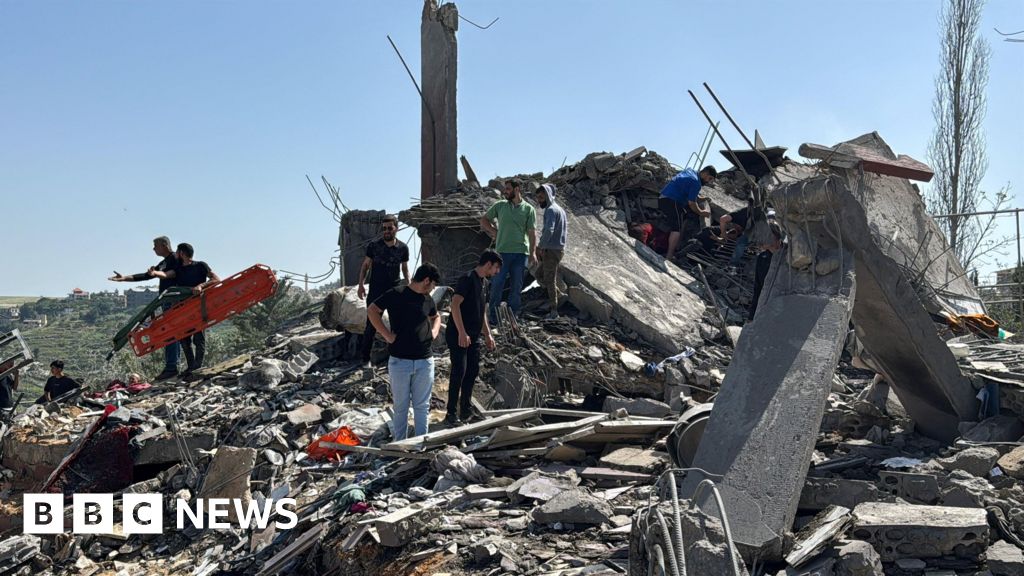
In the latest episode of "Who Needs a Ceasefire Anyway?" Lebanon's health ministry reports that 39 people have been killed in another day of intense Israeli strikes. Among the victims was a child in the southern town of Saksakiyeh, where a strike killed at least seven people and wounded 15 others, including three children. Meanwhile, a Syrian national was killed and his 12-year-old daughter seriously injured in Nabatieh, after a drone struck them, then struck again when they tried to flee, and then targeted the girl directly a third time. She is now undergoing life-saving surgery.
Hezbollah, not to be outdone, launched an explosive drone at northern Israel, wounding three Israeli army reservists, one seriously. This tit-for-tat has continued unabated since US President Donald Trump announced a ceasefire deal on 16 April - a deal that seems to have been interpreted as "cease fire, then resume firing immediately."
Israel's military says it is targeting Hezbollah infrastructure and personnel, but Lebanon's health ministry reports that over 120 people have been killed in the last week, including women and children. The ministry doesn't distinguish combatants from civilians, but the math suggests a lot of non-combatants are getting caught in the crossfire. Israeli forces also occupy a strip of Lebanese land, destroying entire villages in a manner rights groups say could amount to war crimes - actions eerily similar to those in Gaza.
Since 2 March, 2,795 people have been killed in Lebanon, according to the health ministry. Israeli authorities report 17 soldiers and one civilian killed in southern Lebanon, plus two civilians in northern Israel. The ceasefire of November 2024 has become a historical footnote, as the region continues its grim tradition of cycle-of-violence bingo.
The Good Times
News in your inbox.
One sardonic roundup, delivered on your schedule. Free. Unsubscribe whenever your tolerance for wit runs out.
Already subscribed but we never reach your inbox? Check your spam folder and hit 'Not spam' (or 'Remove from spam') to bust us out of junk-mail purgatory. You'll be helping everyone else too.
Don't open any of our emails for a month and you'll be automatically removed from the mailing list.
Rewrite Article
Select parts to regenerate with a fresh AI pass. Translations will be updated automatically.
Generate AI Image
Creates a sardonic version of the article image using OpenAI.