Japanese Bear Gets Tranquilised, While Its 'Extremely Intelligent' Accomplice Is Still Outsmarting Police
Japanese authorities sedate one bear after days of sightings, while a second 'extremely intelligent' bear escapes by unlocking a window and drinking from a tap, as bear attacks hit record levels.
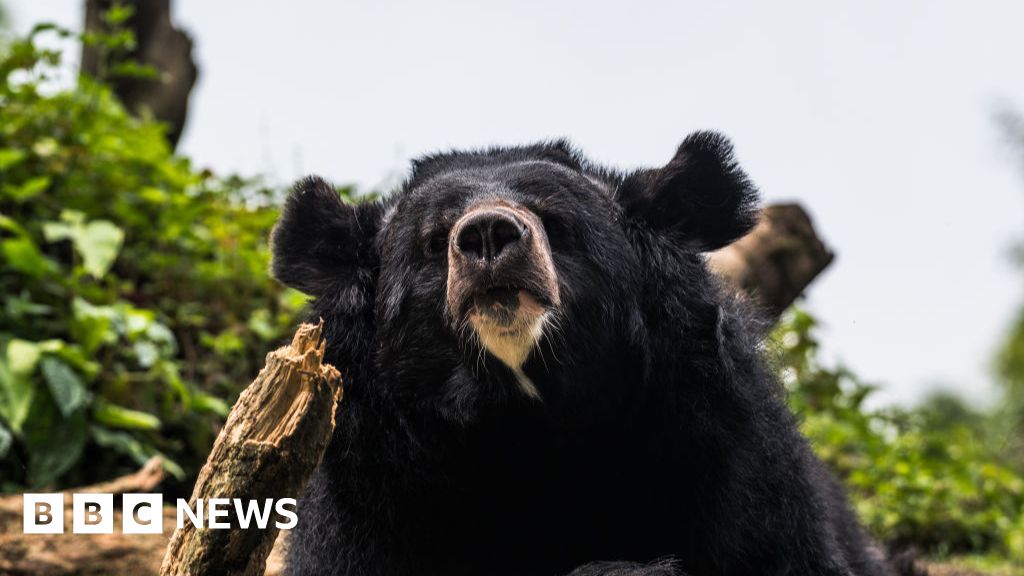
Japanese authorities have finally sedated and captured a black bear in Utsunomiya, a city of half a million people, after days of it being spotted wandering around like it owned the place. A veterinarian fired a tranquiliser gun at the bear but missed the first shot, requiring a second and third attempt about 15 minutes apart before the bear finally got the hint. It took officials an hour and 40 minutes to secure the bear after locating it about 2.5km south of the main railway station on Tuesday, according to Utsunomiya East Police. The bear, believed to weigh around 100kg, had been spotted by residents more than 20 times since Saturday - near homes, schools, and parks. It was also seen swimming in a river and climbing over fences across backyards, clearly having a more active weekend than most of us. The unprecedented sighting forced the closure of all 94 public primary and middle schools, because nothing says 'school's out' like a 100kg ursine tourist. Officials said there were possibly two bears in the city and urged residents to keep their doors and windows locked, which is basically standard advice for anyone living near a bear with a sense of adventure.
Meanwhile, another bear - described by the Fukushima mayor as 'extremely intelligent' - is still evading officials after being filmed chasing people in Fukushima. This Houdini of the bear world broke into an electronics factory, and reportedly escaped by unlocking a window, surprising police who had surrounded the building. The mayor also said officials saw the bear drinking water from a tap, adding it may have turned the handle itself. A search for the bear using drones has been launched, because apparently, regular bear-catching methods are beneath its intellect. Attacks by bears reached record levels in 2025, with 238 bear attack victims reported to the environment ministry, including 13 deaths. Earlier this year, the Japanese government established a ministerial task force and introduced emergency response measures to address the rise in bear attacks and reduce casualties. Local governments and companies are increasingly turning to technology for solutions. A village in Fukushima prefecture is weighing the use of an AI-powered image analysis system for trail cameras, while KDDI SmartDrone says its unmanned aircraft system can help municipalities track bears without training. The drones are equipped with thermal cameras and can follow bears through dense vegetation until hunters or police arrive. Other companies are also developing unique deterrents. In 2016, Ohta Seiki introduced the 'Super Monster Wolf,' a solar-powered robotic wolf designed to scare away bears and other wildlife. The company says it has already received dozens of orders in 2026, exceeding its usual demand in a typical year. Because when you can't beat the bears, you build a robot wolf to do it for you.
The Good Times
News in your inbox.
One sardonic roundup, delivered on your schedule. Free. Unsubscribe whenever your tolerance for wit runs out.
Already subscribed but we never reach your inbox? Check your spam folder and hit 'Not spam' (or 'Remove from spam') to bust us out of junk-mail purgatory. You'll be helping everyone else too.
Don't open any of our emails for a month and you'll be automatically removed from the mailing list.
Rewrite Article
Select parts to regenerate with a fresh AI pass. Translations will be updated automatically.
Generate AI Image
Creates a sardonic version of the article image using OpenAI.