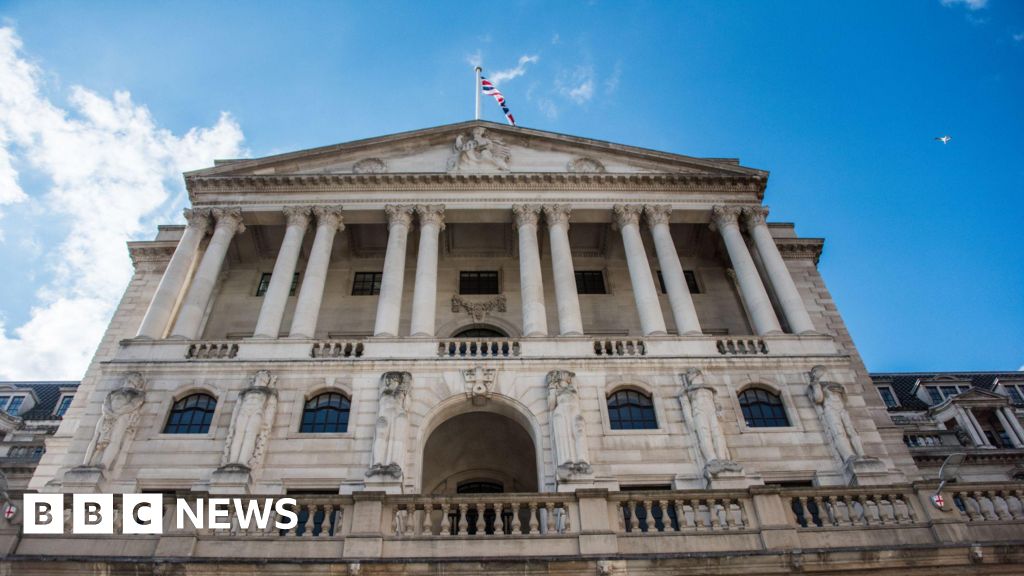
Interest rates are expected to remain at 3.75% as the Bank of England decides that starting a war in the Middle East was probably not the best way to stimulate the economy.
Analysts widely predict the benchmark rate will be left unchanged, citing strong signals from the Bank that it needs more time to figure out how bombing Iran affects the price of bread. The rate of inflation currently sits at 3.3%, still stubbornly above the 2% target, but the Monetary Policy Committee (MPC) is taking a cautious approach - which is central banker speak for "we have no idea what's happening either."
"The repercussions of the [Iran] conflict are still keenly felt and uncertainty about how the situation could evolve also remains high," said Sandra Horsfield, economist at Investec, summing up what everyone already knows.
The MPC will announce its decision at 12:00 BST and simultaneously publish its first full monetary policy report since the US-Israeli strikes on Iran began in late February. Don't expect any firm views on future rate direction - the Bank is playing it cool, leaving commentators to argue amongst themselves about whether rates will rise, fall, or just stay put and contemplate life choices.
Before the conflict, economists had hoped inflation and interest rates would drift downward this year. Then someone decided to start a war, and mortgage rates did the opposite. The average two-year fixed mortgage rate jumped from 4.83% at the conflict's start to a peak of 5.90%, before easing slightly to 5.81%, according to Moneyfacts. Several lenders have announced rate cuts in the past 24 hours, but brokers warn fixed rate rises could return faster than a bad sequel.
Aaron Strutt of Trinity Financial offers timeless advice: "Secure a mortgage rate that suits your circumstances as soon as you can, then try to switch to a cheaper deal before your mortgage completes." In other words, grab what you can and hope for the best.
Savers, meanwhile, will watch the MPC meeting closely. About half of UK savings accounts beat the 3.75% benchmark rate, but those who haven't switched providers since the Stone Age are getting the worst deals. If prices rise sharply, savings lose buying power - especially if your bank is still paying you in pocket lint.
The Good Times
News in your inbox.
One sardonic roundup, delivered on your schedule. Free. Unsubscribe whenever your tolerance for wit runs out.
Already subscribed but we never reach your inbox? Check your spam folder and hit 'Not spam' (or 'Remove from spam') to bust us out of junk-mail purgatory. You'll be helping everyone else too.
Don't open any of our emails for a month and you'll be automatically removed from the mailing list.
Rewrite Article
Select parts to regenerate with a fresh AI pass. Translations will be updated automatically.
Generate AI Image
Creates a sardonic version of the article image using OpenAI.