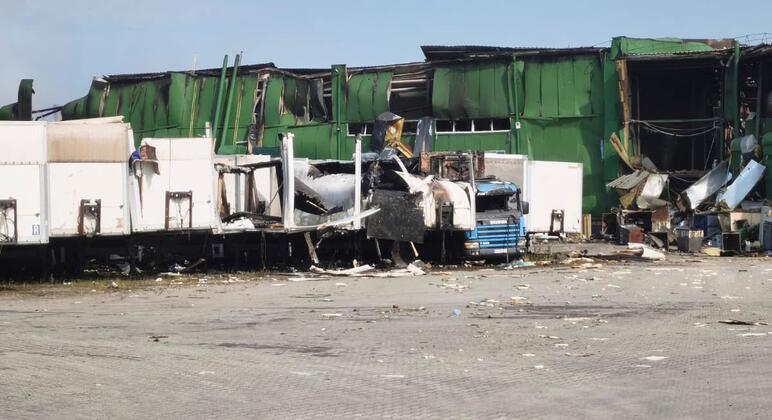
In a stunning display of 'we told you where the stuff is,' a new airstrike overnight has damaged one of the main warehouses used by the World Health Organization (WHO) in Ukraine to store humanitarian medical supplies in the Kyiv region. This marks the third time in three months that a WHO-used storage facility has been hit, because clearly, the memo about not bombing hospitals and supply depots keeps getting lost in translation.
WHO spokesperson Christian Lindmeier broke the news to journalists in Geneva, explaining that between 3 and 4 September, an air attack in Kyiv oblast affected one of WHO's main warehouses. Access to the site remains restricted due to heavy smoke and safety concerns, and assessments of damage and stock losses are ongoing. In other words, they can't even get close enough to count the bandages that are now confetti.
This latest incident follows two other attacks on WHO warehouses in different parts of the country over the past three months. Two weeks ago, an attack destroyed a WHO humanitarian warehouse in Dnipro, resulting in the loss of half of the medical supplies and equipment intended to support an estimated 225,000 people living in frontline and hard-to-reach areas. Because nothing says 'we care about civilians' like destroying the things they need to survive.
And just for good measure, another warehouse in Kyiv oblast was damaged during a large-scale wave of attacks on Kyiv and the region in July. Mr. Lindmeier noted that humanitarian medical supplies are a lifeline for people who need healthcare, and attacks on warehouses can delay or disrupt delivery of essential health support. You don't say.
The WHO is increasingly concerned about the growing pattern of attacks on humanitarian storage facilities nationwide. In 2026, at least 20 attacks have affected warehouses storing humanitarian supplies, including 15 attacks on warehouses holding health-related supplies. Mr. Lindmeier stressed that the locations of UN and WHO facilities are known to all parties through established deconfliction arrangements. 'All warehouses, all UN locations, all WHO locations, are de-conflicted. The whereabouts are communicated to all sides,' he said. Yet somehow, they keep getting hit. Curious.
Despite the ongoing bombardment, WHO continues to work with health partners across Ukraine to ensure essential medical supplies reach health facilities and communities. Alternative storage arrangements have been identified, and efforts are underway to assess damage and replace lost supplies. In 2026, WHO's humanitarian response included providing equipment and supplies to over 300 health-care facilities, including primary care centres, hospitals, laboratories, and transit centers, supporting the health system to reach three million beneficiaries.
Since Russia's full-scale invasion began on 24 February 2022, WHO has verified more than 3,000 attacks on healthcare, including strikes on health facilities, ambulances, medical supplies, and warehouses. At this point, one might wonder if the 'deconfliction' process involves sending the coordinates with a friendly little smiley face, but apparently, even that isn't enough.
The Good Times
News in your inbox.
One sardonic roundup, delivered on your schedule. Free. Unsubscribe whenever your tolerance for wit runs out.
Already subscribed but we never reach your inbox? Check your spam folder and hit 'Not spam' (or 'Remove from spam') to bust us out of junk-mail purgatory. You'll be helping everyone else too.
Don't open any of our emails for a month and you'll be automatically removed from the mailing list.
Rewrite Article
Select parts to regenerate with a fresh AI pass. Translations will be updated automatically.
Generate AI Image
Creates a sardonic version of the article image using OpenAI.