S&P 500 to SpaceX, OpenAI, Anthropic: Sorry, You Still Have to Wait in Line Like Everyone Else
S&P 500 tells SpaceX, OpenAI, and Anthropic they can't skip the 12-month wait or ignore profitability rules, saving passive investors from a wild ride on unprofitable space and AI bets.
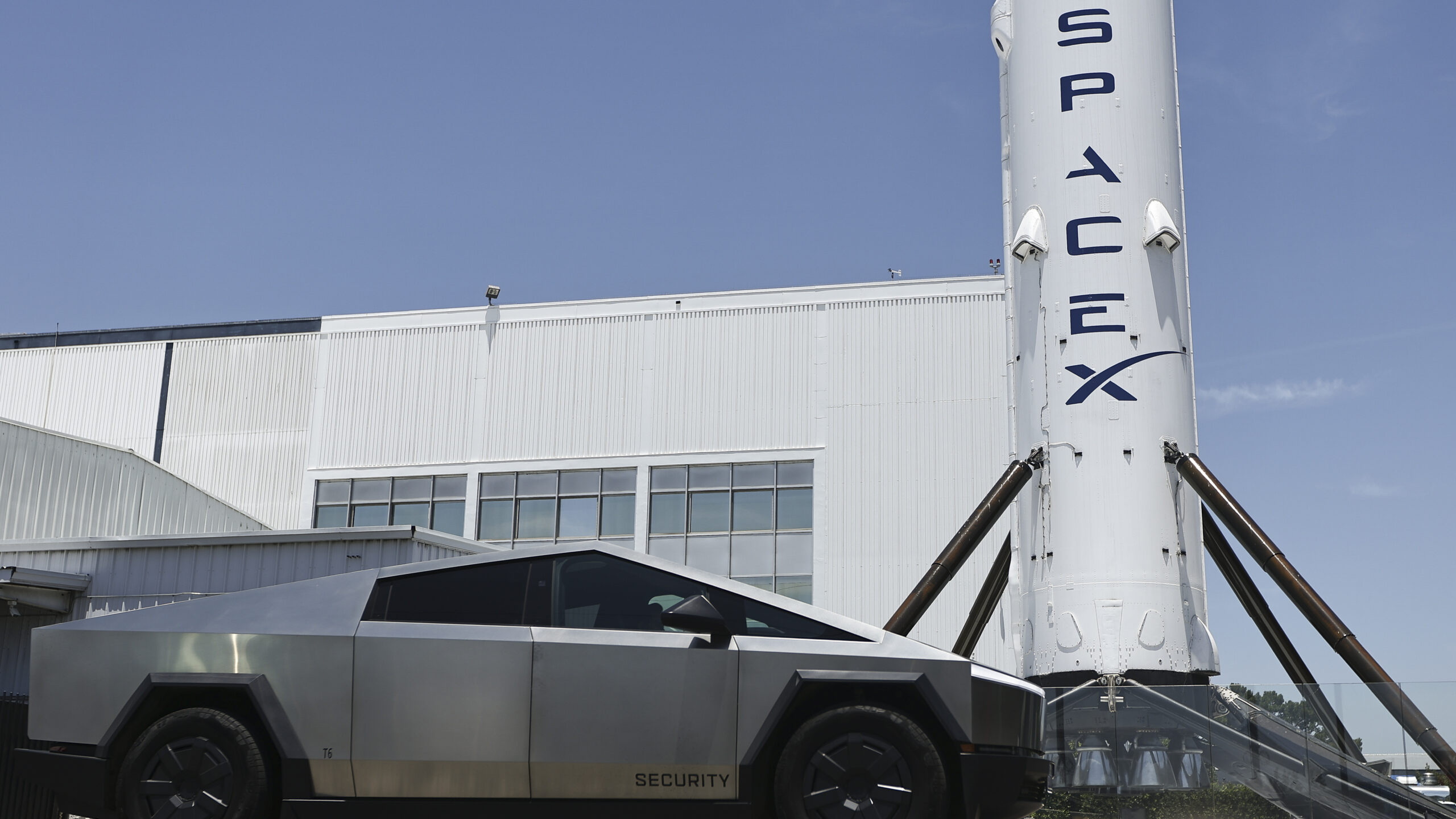
SpaceX asked the S&P 500 for an express lane into its exclusive club, but the index politely declined to rewrite the rules for Elon Musk's space and AI venture. The June 4 decision by S&P Dow Jones Indices means SpaceX won't get accelerated access to potentially billions in passive investment funds, nor will it open the door for AI darlings OpenAI and Anthropic to skip the queue after their own IPOs.
The S&P Dow Jones Indices considered waiving requirements like the 12-month seasoning period, the 10 percent public float, and profitability screens - changes that would have accommodated SpaceX's plan to offer only 3 percent of its shares to the public and its current unprofitability, with debt hitting $29 billion thanks to AI infrastructure spending. But in the end, the index said no changes to eligibility criteria, including financial viability, seasoning, or minimum investable weight factor.
The rejection is a relief for those worried about passive investor money and retirement savings being exposed to SpaceX's speculative bets on AI and orbital data centers. Even after the standard yearlong wait, SpaceX, Anthropic, and OpenAI may still struggle to show consistent profitability needed for the S&P 500. Swift entry would have triggered $14 billion in passive fund buying for SpaceX, over $8 billion for OpenAI, and $4.6 billion for Anthropic, according to Bloomberg Intelligence - because $7.5 trillion in passively managed funds track the S&P 500.
S&P Dow Jones did carve out one concession for lower-profile benchmarks like the S&P Total Market Index and Dow Jones US Total Stock Market Index, allowing faster IPO entry there. Meanwhile, the Nasdaq changed its rules to let SpaceX into the Nasdaq-100 within 15 trading days, and FTSE Russell gave SpaceX accelerated entry to the Russell Top 500 after five trading days. The denial comes just days after Morningstar analysts called SpaceX "significantly overvalued," valuing it at $780 billion - less than half its $1.75 trillion IPO goal - based on Starlink and rocket launch strengths.
This story was updated on June 6, 2026 to clarify the proposed rule changes.
The Good Times
News in your inbox.
One sardonic roundup, delivered on your schedule. Free. Unsubscribe whenever your tolerance for wit runs out.
Already subscribed but we never reach your inbox? Check your spam folder and hit 'Not spam' (or 'Remove from spam') to bust us out of junk-mail purgatory. You'll be helping everyone else too.
Don't open any of our emails for a month and you'll be automatically removed from the mailing list.
Rewrite Article
Select parts to regenerate with a fresh AI pass. Translations will be updated automatically.
Generate AI Image
Creates a sardonic version of the article image using OpenAI.