NASA Symposium Lets Kids Be Science Experts, Adults Sit in Back Like It's Open Mic Night
At NASA's third annual youth science symposium, 106 kids aged 9-14 became the experts while adults sat in the back and learned that data is, apparently, a team sport.
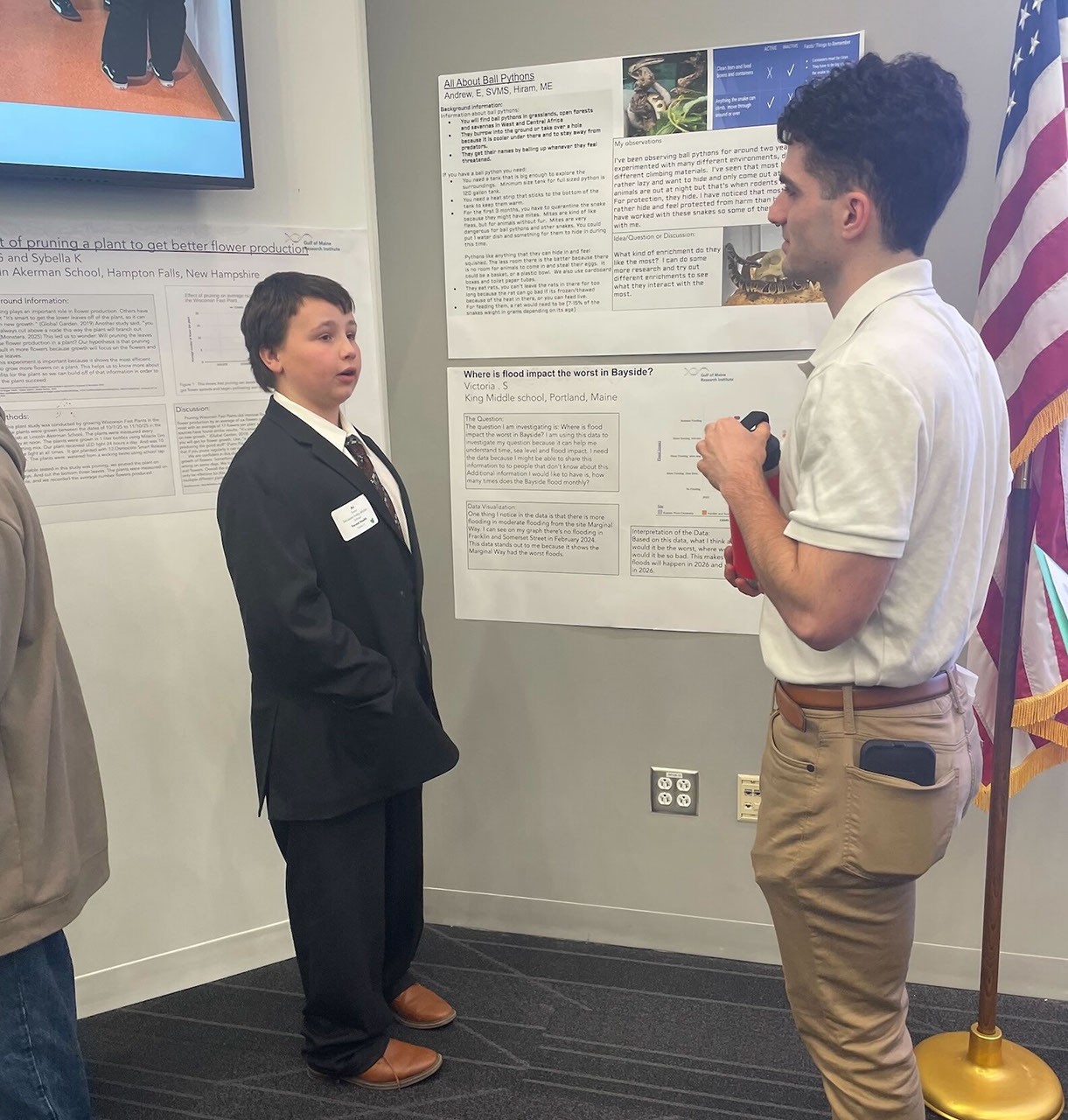
On March 30, 2026, the Gulf of Maine Research Institute (GMRI) and NASA's Learning Ecosystems Northeast (LENE) project held the third annual Findings from the Field Student Research Symposium, an event where 106 students in grades four through eight got to be the experts, and the usual "white coat" barriers of science communication were, for once, taken down. The gathering featured 68 research posters, 14 lightning talks, and 5 discussion sessions, with 29 educators and 15 Subject Matter Experts (SMEs) on hand to listen rather than lecture.
To foster a sense of belonging - because apparently science can feel a bit exclusive to a 10-year-old - the 2026 symposium shuffled the usual power dynamics. In a move that would make traditional lab managers twitch, students kicked off the day by marking up data visuals in an activity inspired by the Data Vandals art group, treating data as a "living, breathing conversation" rather than a static fact. Later, small discussion groups physically reversed the hierarchy: students sat at the main table while adults and SMEs sat behind them, putting the youth and their findings front and center.
Dr. Dave Reidmiller, Chief Impact Officer at GMRI, delivered a keynote that became the unofficial mantra of the day: "Science is a team sport." This was reinforced in discussion groups, where students from different schools realized they were essentially colleagues working on the same problems. In the "Ash and Hemlock" groups, kids who had only read about invasive pests swapped notes with those who had actually identified them in the field. Guiding questions like "What does your data tell you?" and "How does this connect to your community?" helped bridge knowledge gaps, allowing youth and adults to speak the same language.
A new addition this year: undergraduate mentors acted as a middle ground between the young students and career scientists, making the path to a scientific career feel reachable rather than something that requires a secret handshake. The second half of the day featured poster presentations, where students practiced communicating their work to peers and professionals, including leaders from the Maine Forest Service and NASA-affiliated researchers.
The symposium's most defining moment came not from a keynote, but from a breakout room. When a student posed a question to an SME, another student leaned in and answered instead. This wasn't just confidence - it was the event's primary goal in action: youth are experts too.
The event had outgrown GMRI's building; community supporter Unum offered their office space to host the growing number of participants. Feedback suggests 2027 will be even bigger: "I really enjoyed being able to connect with others on the cool science topics," said one student. Another added, "I might want to research more." The symposium proved that when you give young people a platform and a sense of agency, they don't just participate in science - they lead it. After all, they are the experts in the room.
The Good Times
News in your inbox.
One sardonic roundup, delivered on your schedule. Free. Unsubscribe whenever your tolerance for wit runs out.
Already subscribed but we never reach your inbox? Check your spam folder and hit 'Not spam' (or 'Remove from spam') to bust us out of junk-mail purgatory. You'll be helping everyone else too.
Don't open any of our emails for a month and you'll be automatically removed from the mailing list.
Rewrite Article
Select parts to regenerate with a fresh AI pass. Translations will be updated automatically.
Generate AI Image
Creates a sardonic version of the article image using OpenAI.